Vermicelli is a staple in many Indian kitchens. It turns up in breakfast dishes, sweet kheer and quick one-pot meals, and demand stays steady through the year. For a food entrepreneur, that makes a vermicelli plant an attractive project. Yet vermicelli is thinner than most pasta, and thin strands leave very little room for error. This guide explains what to look for when you compare vermicelli making machine manufacturers, so your first machine becomes a dependable part of your business.
How a Vermicelli Machine Makes Fine Strands
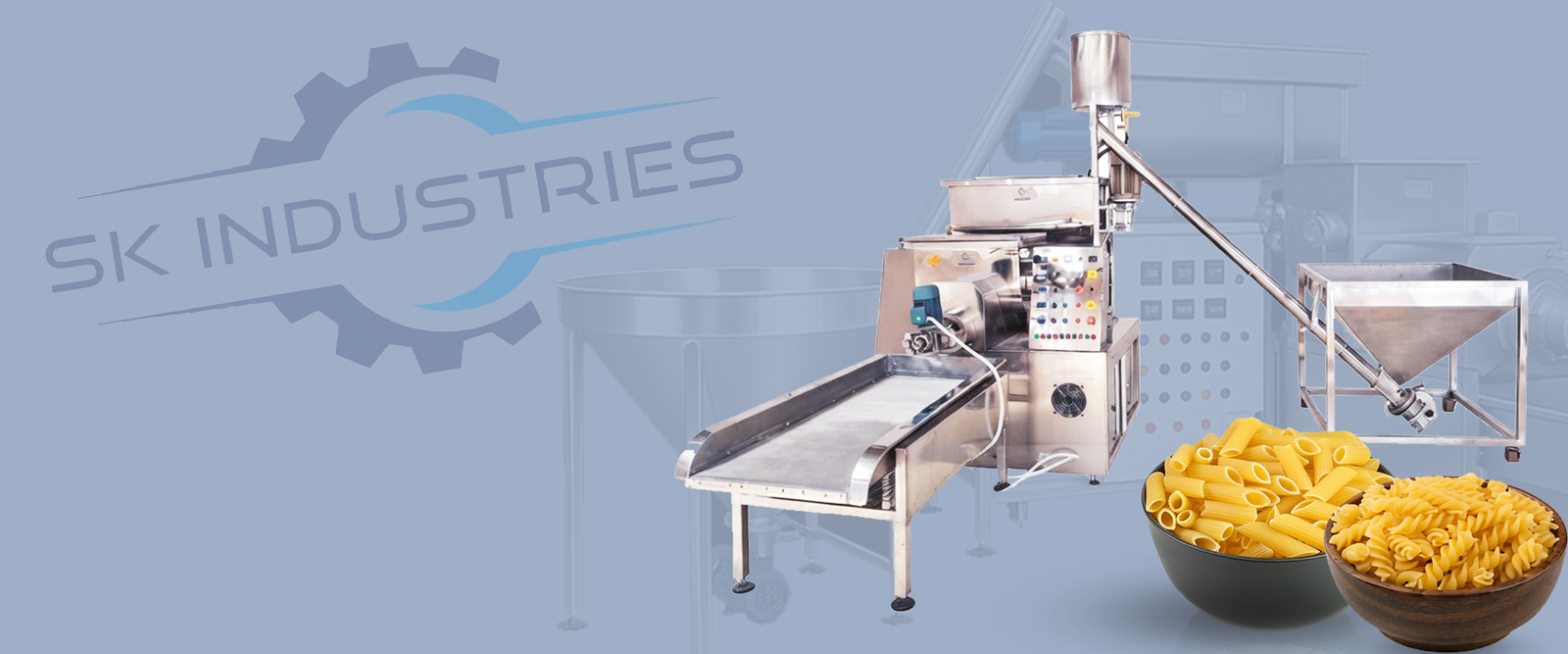
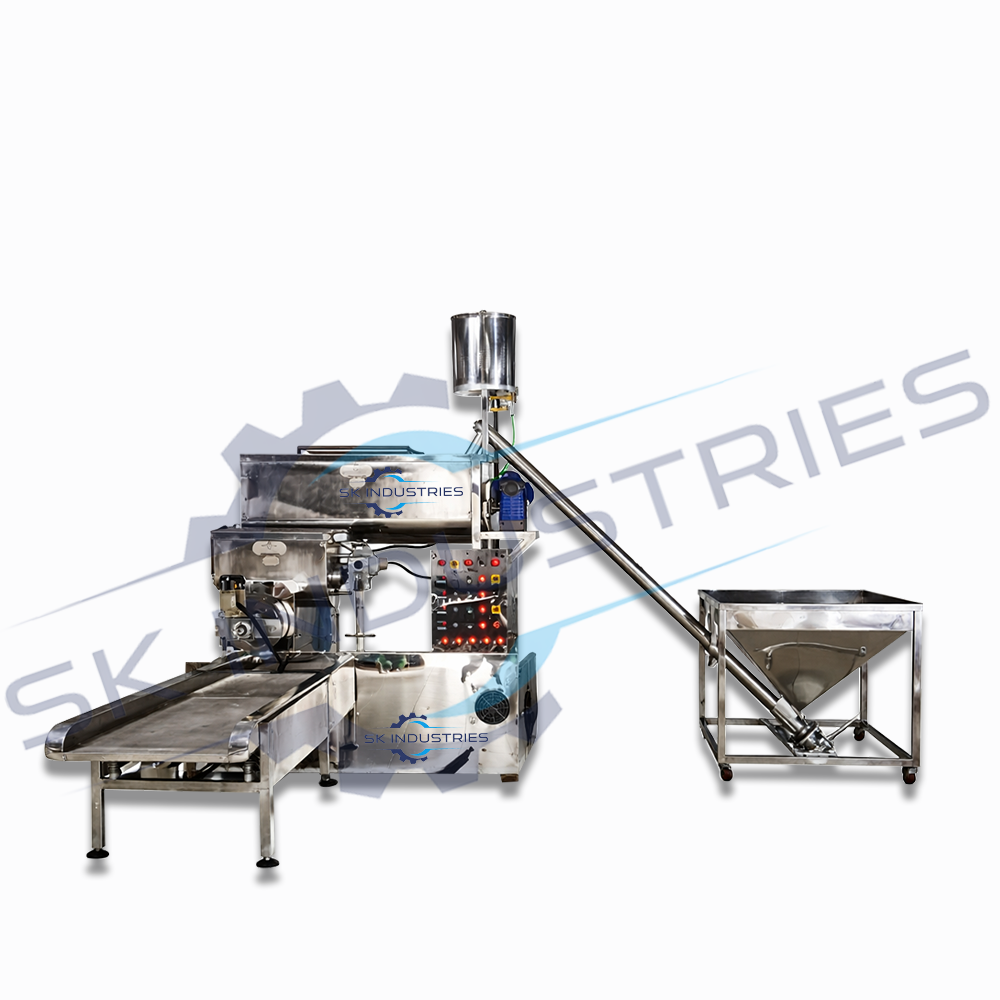
A vermicelli machine mixes wheat or rice dough and forces it through a die that has dozens of very small holes. This produces many thin strands at once. The strands are cut to length and sent straight to drying so they hold their shape before packing.
Because the strands are so fine, small problems become visible quickly. If extrusion pressure is uneven, some strands come out thicker than others. If the dough is not uniform, strands may break or stick together. That is why the quality of the vermicelli extruder, and especially its die, matters more here than on thicker pasta shapes.
Die Precision and Steady Extrusion Pressure
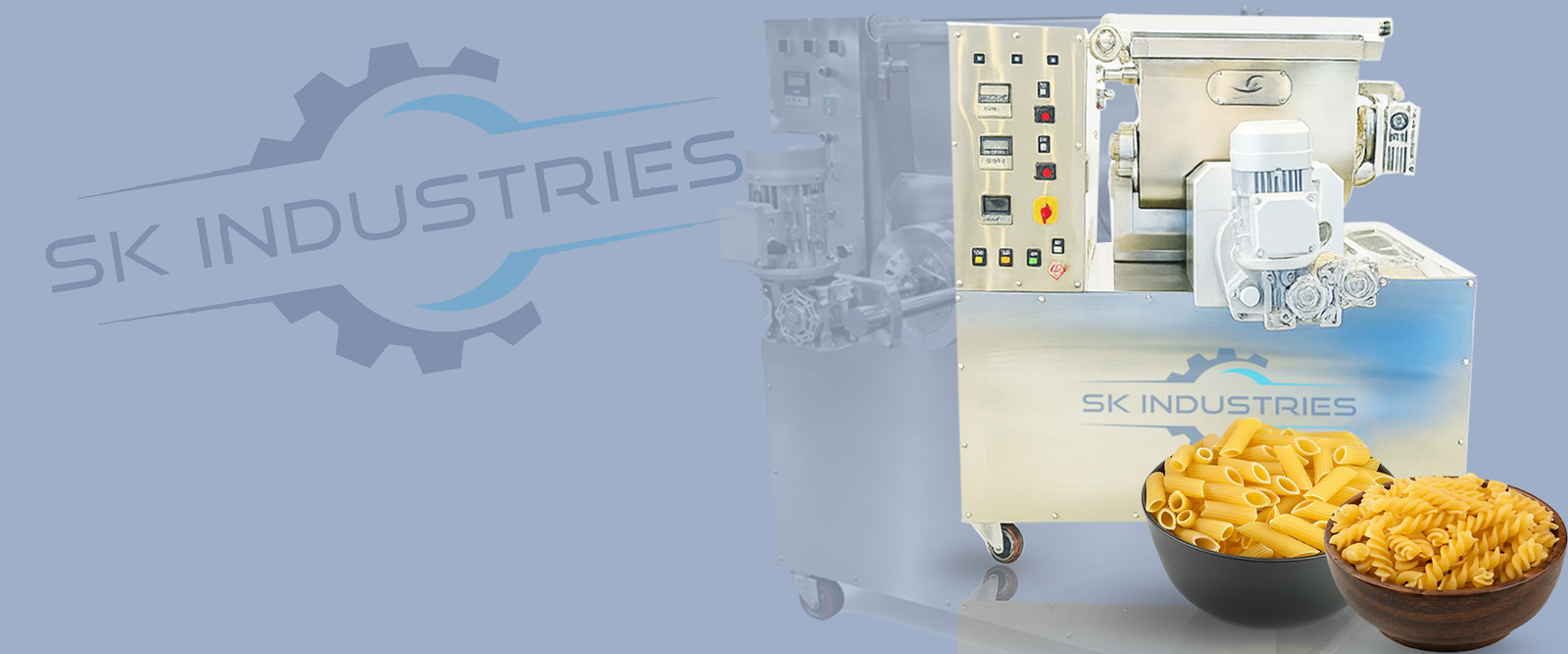
A multi-hole die has to deliver the same flow through every opening. Precisely drilled holes and a smooth internal finish help the dough move evenly across the full face of the die. The extrusion chamber should also hold a stable pressure. SK Industries' vermicelli making machine uses precision-drilled dies with a vacuum-assisted extrusion chamber and PLC-controlled drives, which supports repeatable results from batch to batch.
When you speak to a manufacturer, ask how they check hole size, how the die is cleaned after each run, and how easily a worn die can be replaced. Fine holes can clog if cleaning is difficult, so this detail affects daily production more than it seems.
Wheat Vermicelli and Rice Vermicelli
Most vermicelli sold in India is wheat vermicelli, often called semiya. Rice vermicelli is popular in other cuisines and has a different texture. The extruder can handle both wheat and rice dough, but die selection and dough preparation need to be adjusted for the raw material. If you plan to make more than one type, tell the manufacturer at the start so the machine and dies are matched to each recipe.
Drying Without Breaking the Strands
Drying is where fine vermicelli is most at risk. Strands that are dried too quickly can crack, while strands that are piled too thickly can clump together. The aim is even, gentle moisture removal across the whole batch.
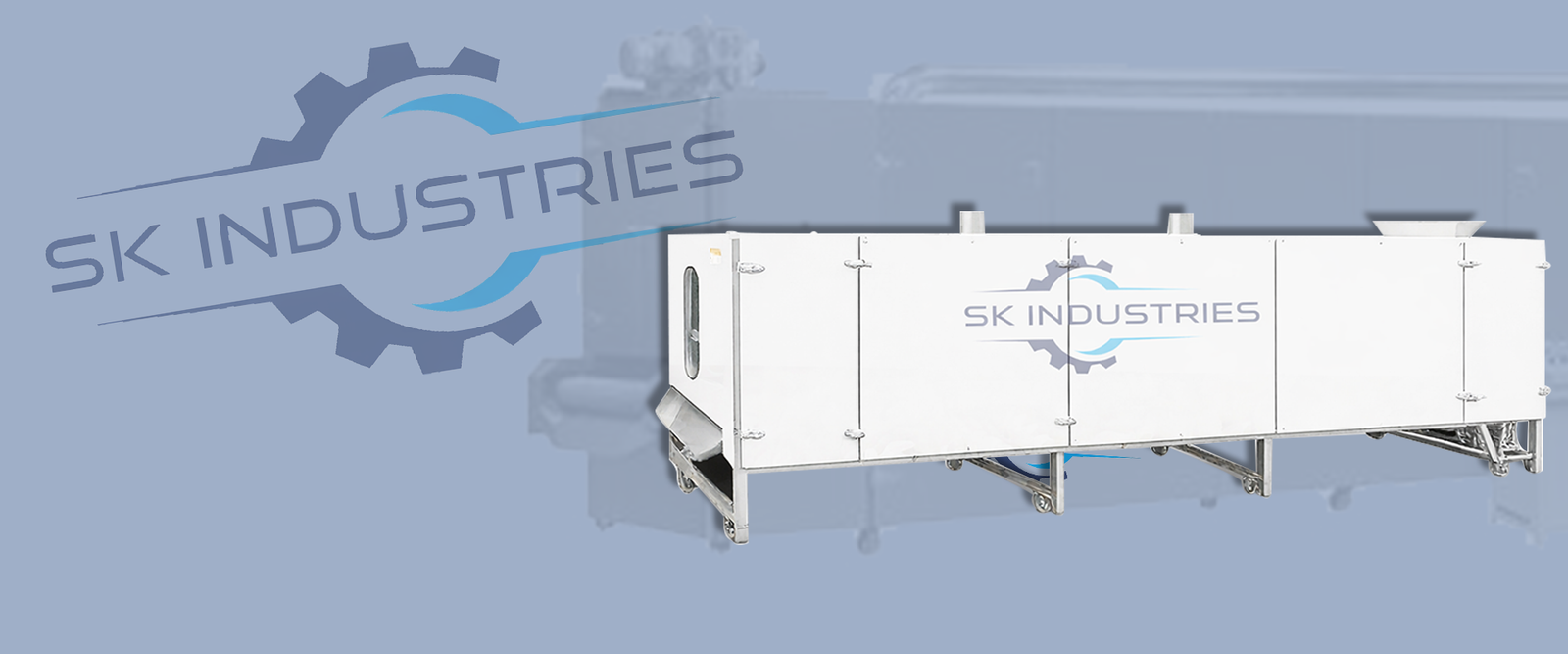
A continuous conveyor dryer suits this well. The product travels on a belt through a controlled heating zone, with adjustable temperature and belt speed, so you can fine-tune drying time for different thicknesses. It also keeps the product moving in a steady stream, which lowers the chance of strands clumping or breaking.
Roasted Vermicelli: Adding a Roaster to the Line
Many households prefer roasted vermicelli because it holds its shape better when cooked and has a light, nutty aroma. If your market expects roasted semiya, your line should include a roaster after the dryer or in place of the final drying step. A rotary roaster tumbles the product through heat so it browns evenly without sticking. Ask your supplier whether they can provide the roaster and the vermicelli extruder as one matched system.
What a Complete Vermicelli Plant Includes
- Dough preparation: Flour or semolina is measured and mixed with water for uniform hydration.
- Extrusion: The extruder presses dough through the multi-hole die.
- Cutting: A cutter trims the strands to the length you want.
- Drying: A conveyor dryer removes moisture gently.
- Roasting (optional): A roaster adds colour and flavour.
- Cooling and packing: Cooled vermicelli is packed before humidity can affect it.
The capacity of each stage should match. If the extruder runs faster than the dryer, product piles up. If the dryer is oversized for a small extruder, you spend energy without any benefit.
Cooling, Packing and Shelf Life
Vermicelli is light and fragile, and it absorbs moisture from the air if it is left uncovered. Once the product leaves the dryer or roaster, let it cool to room temperature before packing. Packing warm vermicelli traps steam inside the bag, which can soften the strands and shorten shelf life. Plan a clean, dry area for cooling and packing, and make sure the packing speed can keep up with the output of the line. Gentle handling at this stage also reduces breakage, which protects both quality and yield.
Planning Capacity for a Vermicelli Plant
Start from the volume you can sell, then work backwards. Estimate your daily packed quantity, the hours you plan to run and the extra volume you may need in busy seasons such as festivals. This gives you a realistic target for the extruder. The dryer and roaster should then be sized to that same target, so every stage of the vermicelli plant moves at a similar pace.
Checklist for Evaluating Vermicelli Making Machine Manufacturers
- Material: Food-contact parts should be SS 304 stainless steel for hygiene and durability.
- Control system: PLC-controlled drives help you repeat the same settings every day.
- Die support: Ask about die cost, delivery time and cleaning method.
- Trial run: A sample run with your own flour shows how the machine really performs.
- Service: Check the installation, training and spare-parts process before you buy.
- Line compatibility: Confirm that the extruder, dryer and roaster are sized to work together.
Common Mistakes First-Time Buyers Make
New vermicelli units often focus on the extruder alone and treat drying as an afterthought, then discover that the dryer limits their output. Others buy the lowest-priced machine without checking die availability, and wait weeks for a replacement. Planning the whole line from the beginning, and asking questions about dies and service, avoids both problems.
Get Help Planning Your Vermicelli Plant
SK Industries manufactures vermicelli machines, dryers and roasters in Noida and has served the food processing industry for over 20 years. If you would like advice on capacity, raw material and layout, reach out to our engineering team. Tell us what you plan to produce, and we will suggest a line that fits your goals and budget.