Macaroni is one of the easiest pasta shapes to sell and one of the more demanding to make well. Buyers notice immediately when the tubes are uneven, cracked or pale. That is why choosing among macaroni making machine manufacturers is less about the lowest price and more about who can give you a stable, repeatable process. This article explains how a macaroni plant works and what to look for at each stage, in plain language.
How a Macaroni Making Machine Works
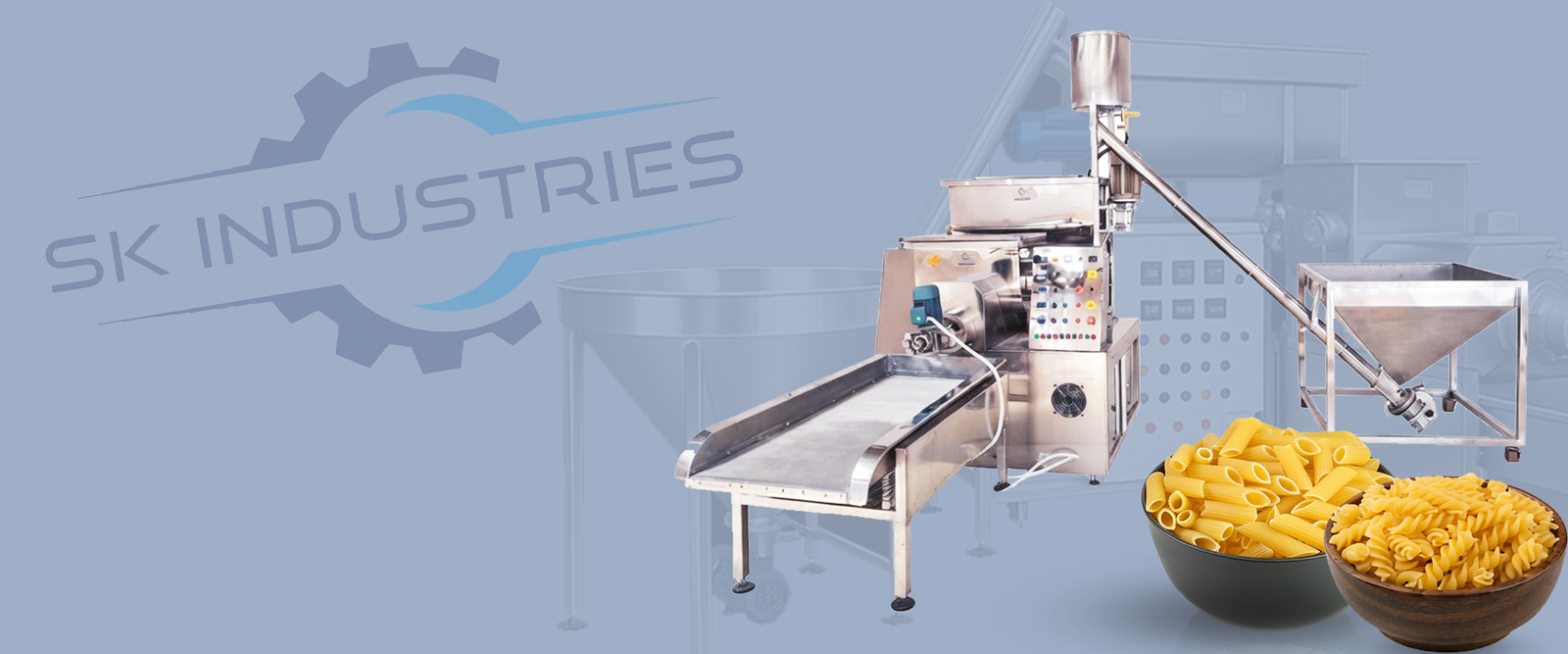
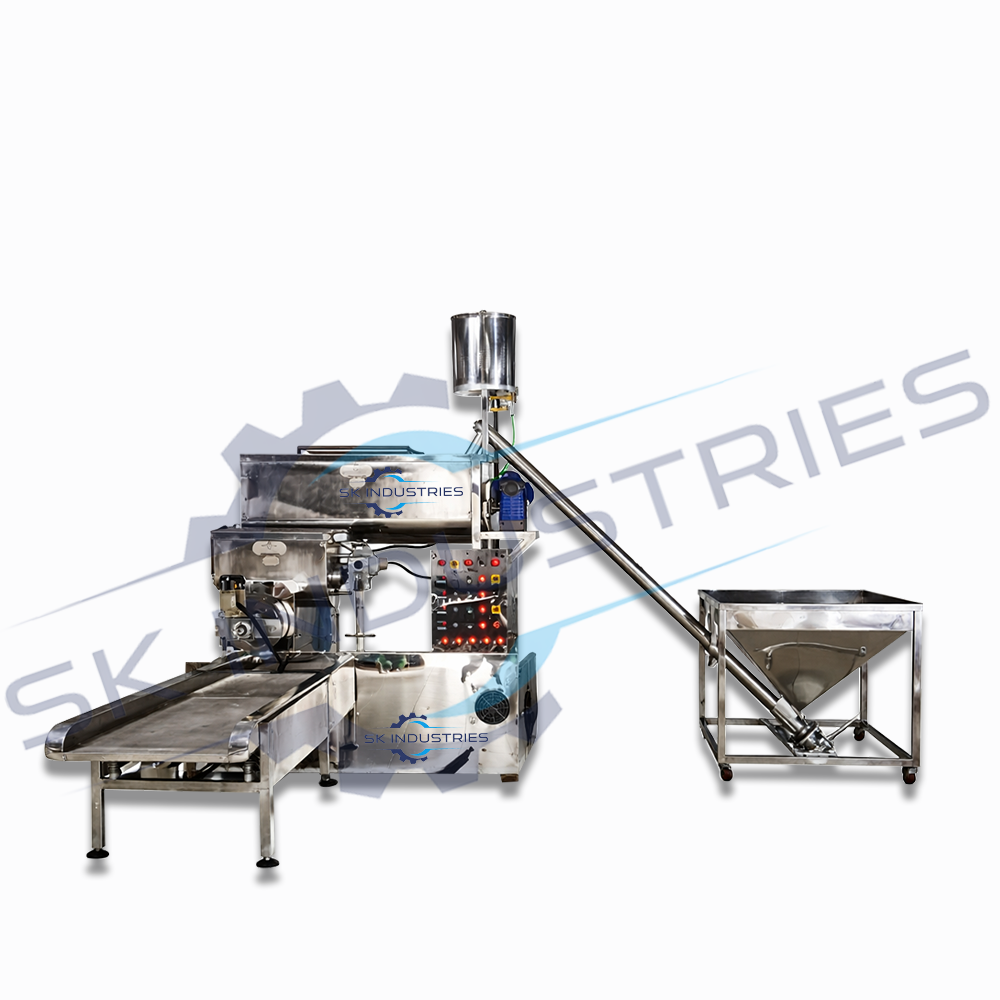
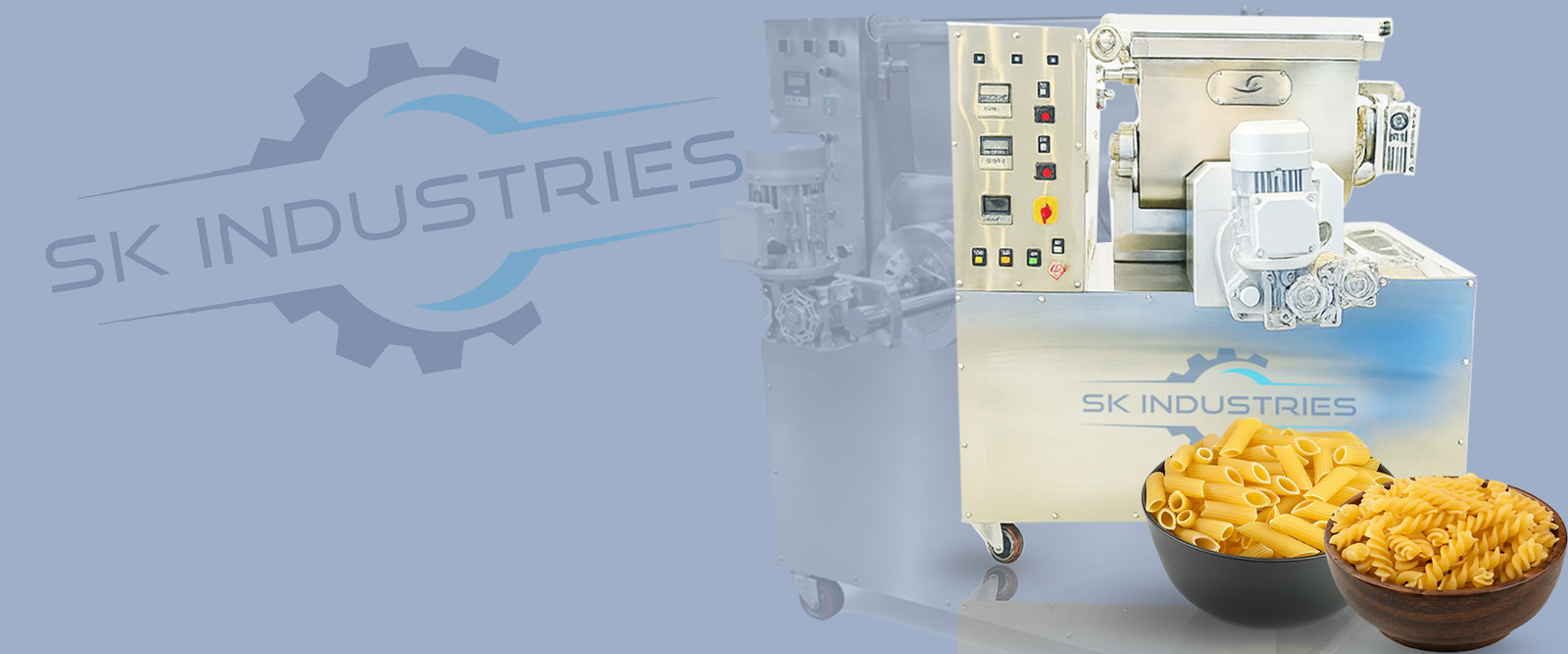
The process is simple to describe. Durum semolina or wheat flour is mixed with water into a stiff dough. A macaroni extruder pushes this dough under pressure through a die that has a centre pin, which forms the hollow tube. A cutter then trims the tube to length as it leaves the die. The cut macaroni moves on to drying and, finally, to packing.
Each step affects the final product. If the dough is too wet, the tubes sag. If it is too dry, the surface turns rough. If the pressure fluctuates, the wall thickness changes. A good macaroni making machine keeps all of these variables steady from the first kilogram to the last of the shift.
Why the Die Matters More Than Most Buyers Expect
The die is a small part with a large influence. A macaroni die has to form a clean hollow tube with an even wall, so the opening and the centre pin must be precisely finished and aligned. Rough or misaligned dies can leave rough edges, uneven walls or tubes that cook unevenly.
Ask the manufacturer how dies are made, how they are cleaned, and how easily they can be replaced. Also ask about shapes. With the right die and cutter setup, the same extruder can often produce penne, fusilli and other short cut shapes besides macaroni, which gives you room to widen your range later.
Automatic Macaroni Machine or a Small-Scale Macaroni Unit?
Your choice depends mostly on volume and on how much labour you want to depend on.
- Automatic macaroni machine: It runs from a PLC-controlled panel with a VFD drive, so output stays consistent with minimal manual adjustment. SK Industries' automatic model works at up to 200 kg per hour and suits plants that run regular shifts.
- Semi-automatic machine for a small-scale macaroni unit: It offers the same SS 304 build quality at a lower entry cost. It works well for new brands, regional suppliers and units that want to start small and add capacity later.
You can compare both on our automatic and semi-automatic pasta machine pages.
Planning a Complete Macaroni Production Line
An extruder alone does not make a business. A complete macaroni production line normally includes a flour or semolina feeding system, the extruder, a cutter, a dryer, a conveying arrangement and packing. Fresh macaroni holds a high amount of moisture and must be dried carefully before it can be stored.
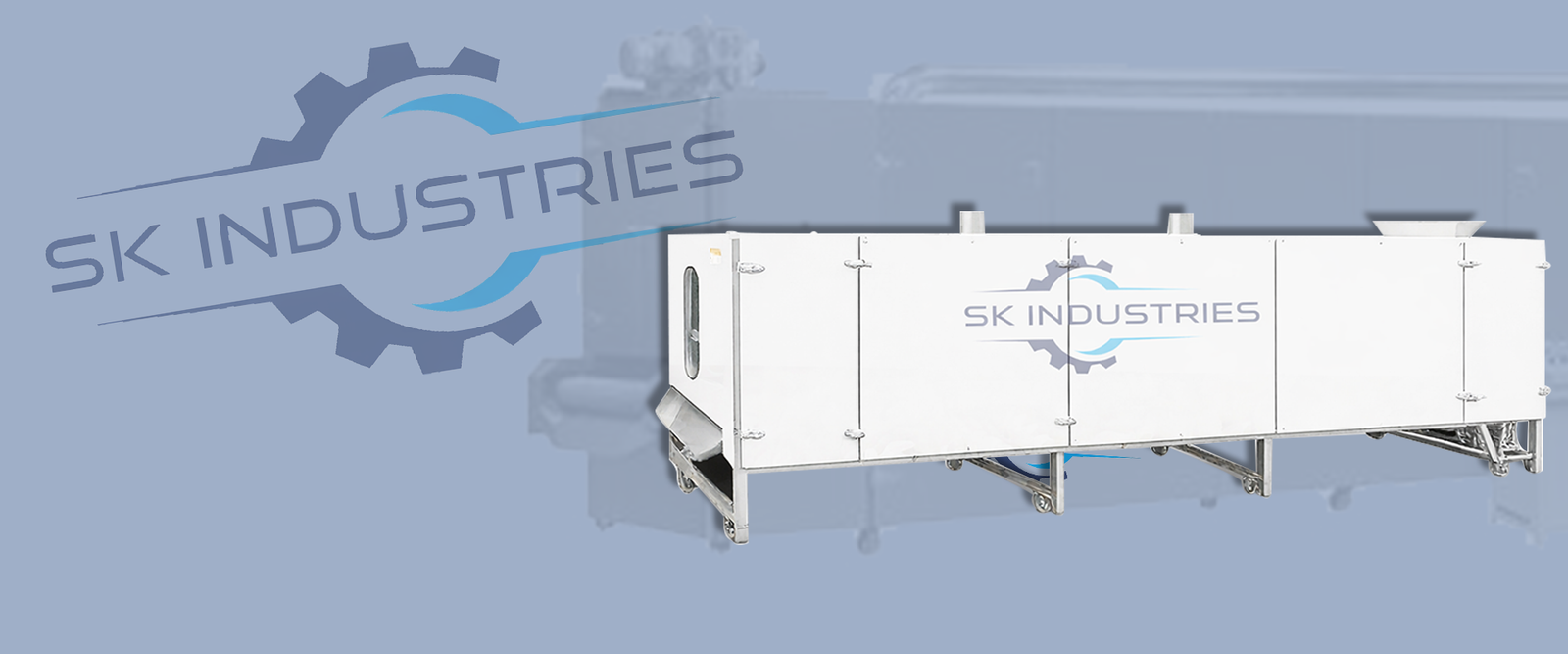
The continuous conveyor dryer is the usual partner for a medium or large macaroni plant. It moves the product through controlled heat on a belt, which gives even drying across the batch. Ask your supplier to size the extruder and dryer together so that neither one becomes the bottleneck.
Raw Material: Why Semolina Quality Is Part of the Machine Decision
Durum semolina is the traditional raw material for good pasta because it gives a firm bite and a bright yellow colour. Many small producers also use wheat flour blends to manage cost. Whichever you choose, tell the manufacturer early. The dough behaves differently with each material, and settings such as water ratio, extrusion speed and drying temperature may need adjusting. A supplier who offers a trial run with your own raw material is giving you a real way to check the result before you commit.
Drying: Where Many Macaroni Batches Go Wrong
Drying too fast can crack the tubes, and drying too slowly wastes time and energy. The aim is steady moisture removal so the macaroni dries evenly from the outside to the centre. Controlled temperature, adjustable airflow and an adjustable belt speed all help. If you are comparing manufacturers, ask how drying time and temperature can be controlled for different thicknesses of product.
Sizing Your Capacity Realistically
It is tempting to buy the biggest macaroni extruder you can afford, but a machine that sits half idle does not pay for itself. Start from the demand you can actually sell. Estimate how many kilograms you expect to pack each day, divide by the hours you plan to run, and add a sensible margin. That figure tells you whether a semi-automatic machine is enough or whether an automatic line is worth it. It also gives the manufacturer a clear target, so the dryer and conveyor can be sized correctly from the start.
Daily Maintenance and Hygiene
Pasta dough leaves residue, so the machine must be easy to open and clean. Smooth SS 304 surfaces with few hidden corners make cleaning faster and reduce the risk of contamination. Ask which parts need regular checks, such as the die, cutter blades, screw and gearbox, and how simple they are to service. Machines that are hard to clean often get cleaned less, which hurts product quality.
Questions That Help You Shortlist Manufacturers
- What capacity can the machine sustain over a full shift, not just for a short test?
- How many dies are included, and how long does a new die take to deliver?
- Can the machine be paired with a dryer and conveyor from the same manufacturer?
- What training and installation support do you provide?
- How quickly can spare parts reach us?
Talk to the Engineers Who Build the Machine
SK Industries builds macaroni and pasta machinery at its Noida facility and supports clients with installation, commissioning and operator training. If you are planning a macaroni plant and want a clear recommendation based on your output, raw material and budget, get in touch with our team. A short conversation about your plan can save a lot of trial and error later.