Kanpur is one of the largest cities in Uttar Pradesh, with a big population, busy markets and a long history of small and mid-size manufacturing. For a food entrepreneur here, pasta can be a sensible new product. If you are searching for pasta making machine manufacturers in Kanpur, the questions that matter are slightly different from those of a buyer standing next to the factory: how to test the machine from a distance, how delivery works and who helps when you need service. This guide covers those points.
Start With the Product You Want to Sell
Before you look at any machine, decide what you will sell and to whom. Pasta sold to local grocery shops, to restaurants and to packed-food buyers can need different shapes, pack sizes and shelf lives. Write down three things: the shapes you want in the first six months, the quantity you expect to sell each day, and whether you will sell the pasta dried and packed.
These answers narrow the choice quickly. A buyer planning only short cut pasta for local shops needs a simpler line than one planning several shapes for wider distribution.
Choosing Between Automatic and Semi-Automatic
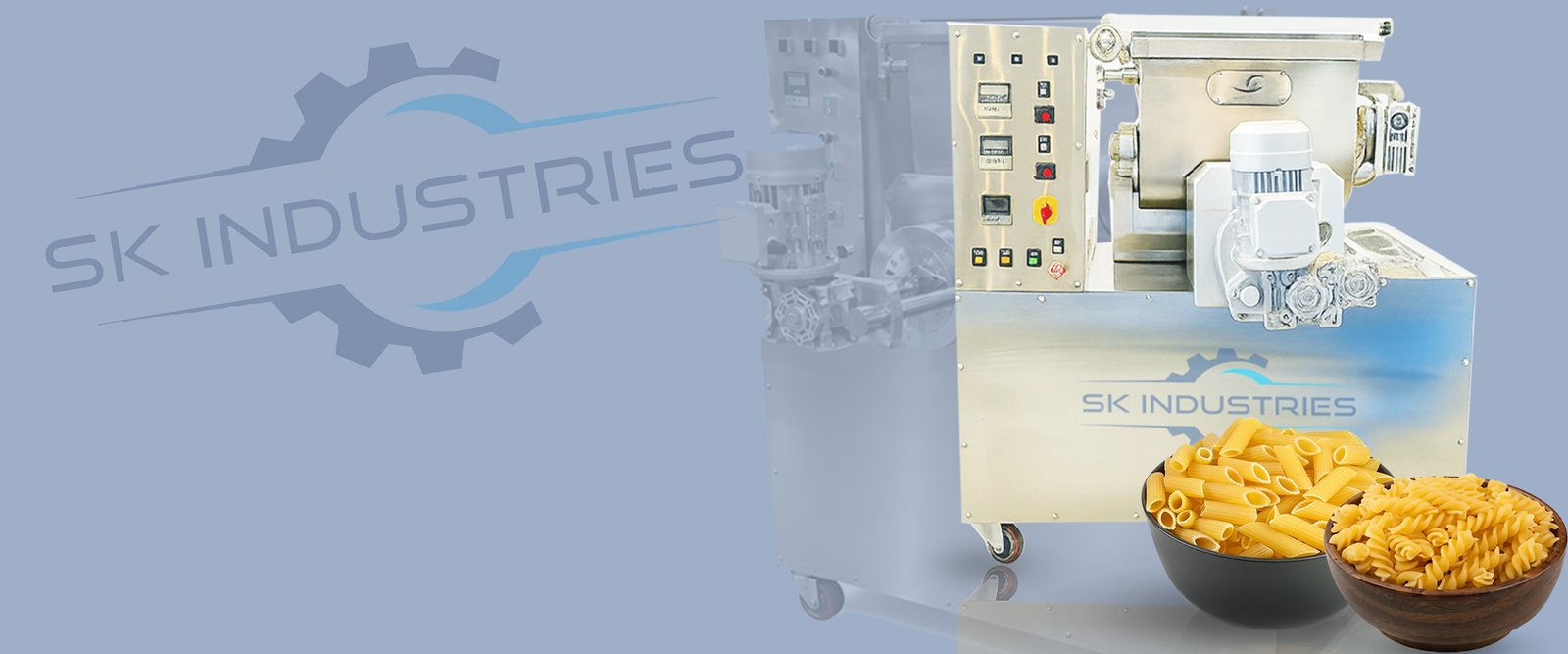
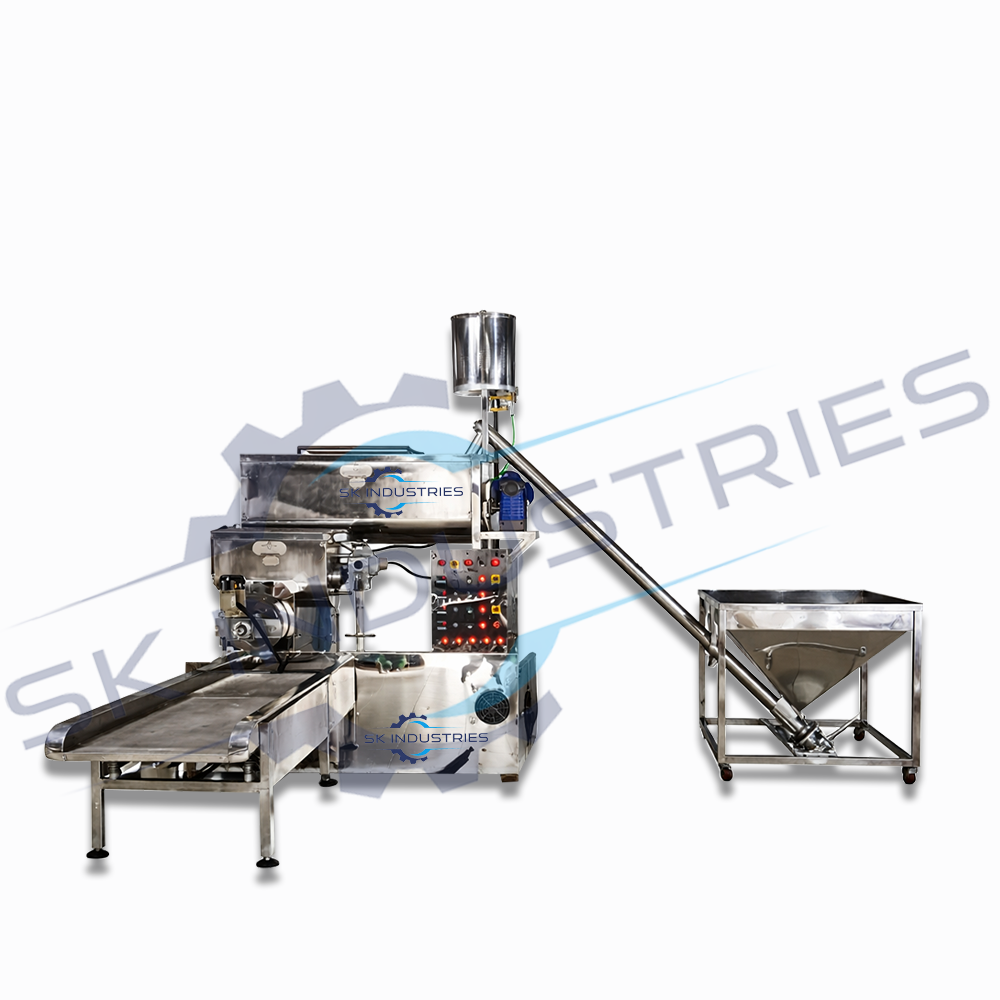
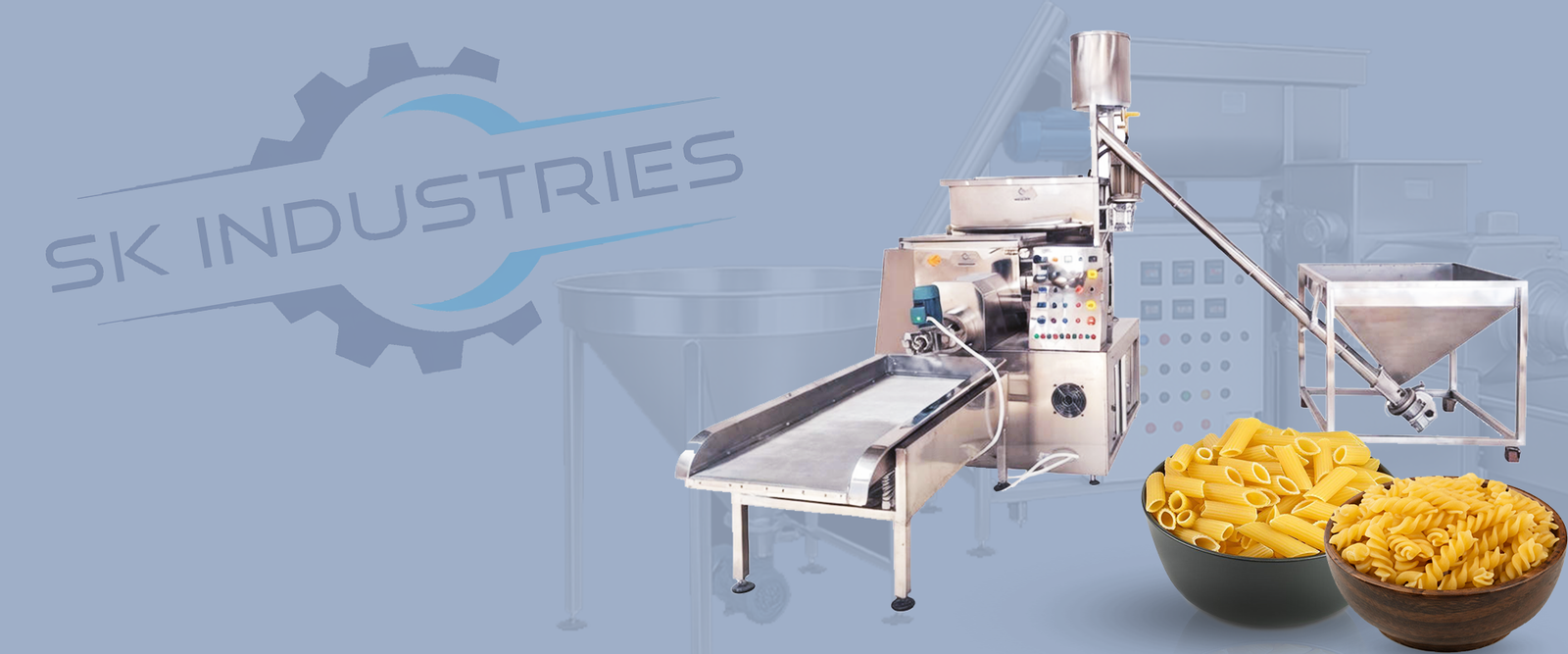
Both machine types mix, extrude and cut pasta. The difference is how much work stays with your operators. The semi-automatic pasta machine has the same SS 304 food-contact build at a lower starting cost, so it suits a first unit with modest volume. The automatic pasta machine is PLC-controlled and runs at up to 200 kg per hour, which suits a unit with regular, larger orders.
If your orders are uncertain, starting with semi-automatic is often the safer path. You can add capacity once the market responds. If you have confirmed buyers already, an automatic machine saves labour from day one.
Test the Machine Before You Commit
Since Kanpur is some distance from our Noida workshop, you may not be able to visit every time, and that makes proof important. Ask the manufacturer for three things:
- A live video of the machine running with a clear view of the die, the dough and the cut pasta.
- A trial with your own flour or semolina. Raw material changes how dough behaves, so this shows what you will really get.
- A written specification that names the material of the parts that touch food and lists everything included in the price.
If possible, plan one visit to the workshop at A-66, Sector 8, Noida before you pay the advance. Seeing the machine in person is the most reliable check you can make.
Choose Shapes and Dies With Care
The die decides the shape, so it is worth deciding your range before the order. A short cut pasta making machine can make shapes like macaroni, penne and fusilli on the same base machine by changing the die. That lets you start with one or two shapes and add others as customers ask for them.
Ask for the price of extra dies at the time of the quotation, not later. Also ask how a die is fitted and cleaned, since a change that takes a long time reduces your running hours. A machine that is simple to change over helps a small unit respond quickly to what its buyers want.
Work Out the Real Running Cost
The machine price is only part of the picture. Before you decide, estimate the monthly cost of raw material, power, labour, packing and transport to your buyers. Compare this with the price you expect to get for each kilogram of pasta. If the margin looks thin, a smaller starting machine and slower growth is usually wiser than a large investment on day one.
Ask the manufacturer for the connected power load and the number of operators the line needs, so you can fill these figures in with real numbers rather than guesses.
Plan the Drying Step Early
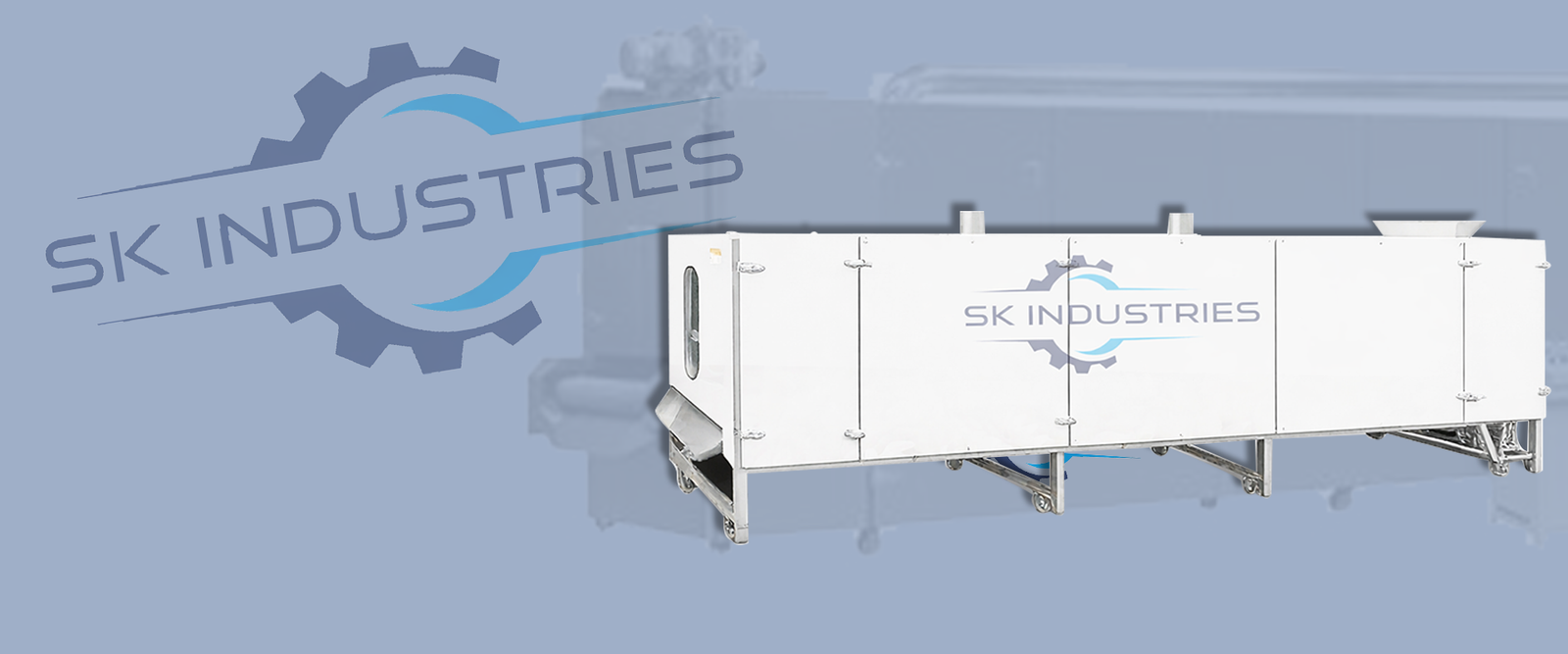
Fresh pasta holds a lot of moisture, so dried pasta needs a dryer before packing. For smaller batches, a static dryer that works in batches can be enough. For steady, higher volumes, a continuous conveyor dryer moves the pasta through the drying zone on a belt. SK Industries lists its continuous model at 450 to 500 kg per hour, so match the dryer to your extruder output.
If you would like one source for the whole setup, ask about a complete Italian pasta plant and compare it with building the line machine by machine.
Think About Support From a Distance
Delivery, installation and service all take planning when the supplier is not in your city. Ask how the machine will be packed and sent, who will install it at your unit, and whether your operators will be trained at your site or in Noida. Keep a list of the dies and wear parts you may need, and ask how quickly they can be sent to Kanpur. A short written support plan before you order avoids confusion later.
You may also find it useful to read about pasta making machine manufacturers in Uttar Pradesh, where we explain how we supply machines to other cities of the state.
Questions From Kanpur Buyers
Does SK Industries deliver pasta making machines to Kanpur?
Yes. SK Industries builds machines in Noida and supplies them to customers across Uttar Pradesh, including Kanpur. The team confirms the delivery time with the quotation.
What is the difference between a static dryer and a continuous dryer?
A static dryer dries pasta in batches, while a continuous conveyor dryer carries the pasta through the drying zone on a belt. Continuous dryers suit higher, steadier volumes.
Can I test my own flour before buying?
You should ask for it. Different semolina and flour behave differently in the extruder, so a trial with your own raw material shows what to expect before you commit.
Making Your Decision
A good manufacturer will ask about your product plan before it talks about price. SK Industries has made food processing machinery in Noida for over 20 years. Share your shapes, daily quantity and location, and our team will suggest a setup and explain how delivery and support would work for Kanpur.