Ghaziabad has a mix of industrial areas, busy markets and fast-growing housing, and food businesses of every size operate here. If you are comparing pasta making machine manufacturers in Ghaziabad, the right machine depends less on a brochure and more on what kind of business you are running. A home-based start-up and a contract packer have very different needs. This guide matches the machine to the business, so you can ask better questions.
Match the Machine to Your Kind of Business
Think about who you will sell to and how often they will order. The table below shows a general starting point. It is guidance, not a rule, and a manufacturer should refine it once they know your numbers.
| Business type | What usually works | Watch out for |
|---|---|---|
| Small or home-based start-up | Compact semi-automatic machine, one or two shapes | Buying more capacity than you can sell |
| Contract packer or private-label brand | Automatic machine with a matched dryer | Output that does not match the dryer |
| Supplier to restaurants and caterers | Semi-automatic or automatic, several shapes | Shape changes that take too long |
| Retailer starting its own brand | Start small, add capacity after the first orders | Skipping a trial with your own flour |
Semi-Automatic or Automatic?
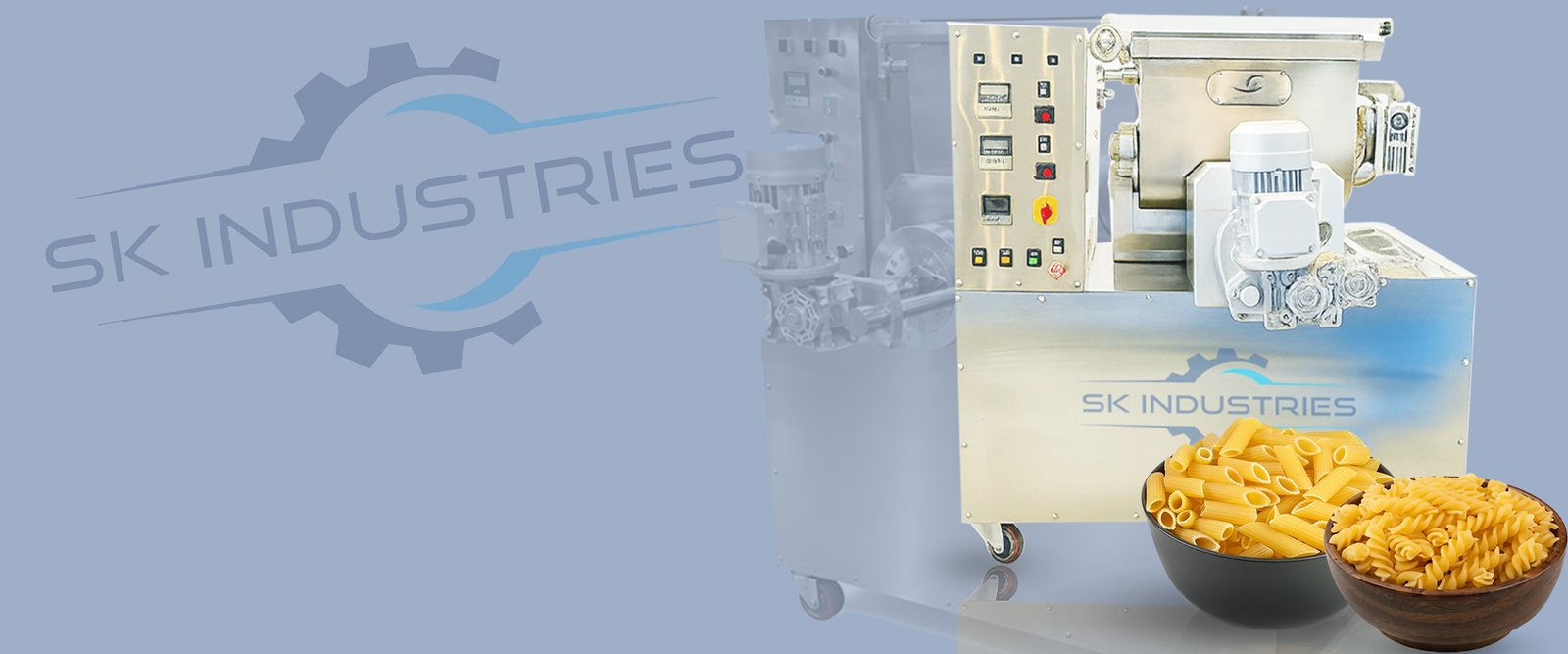
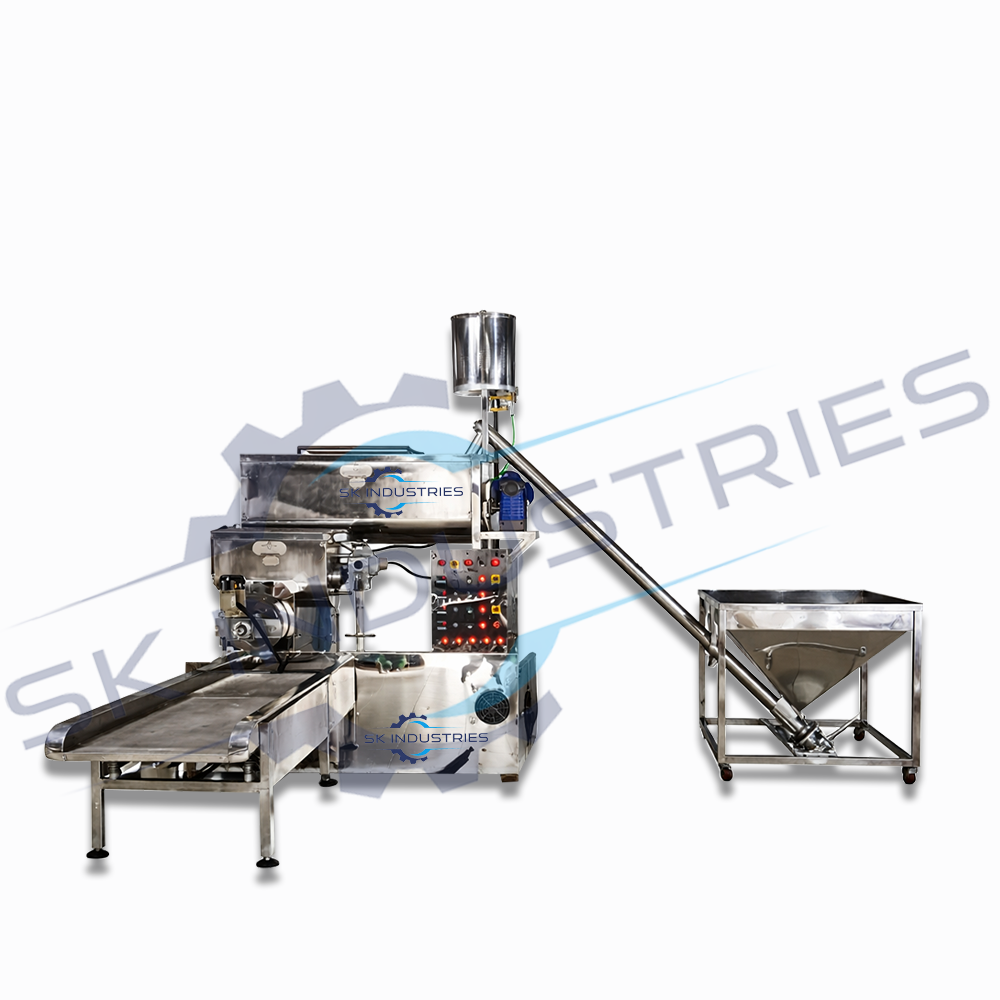
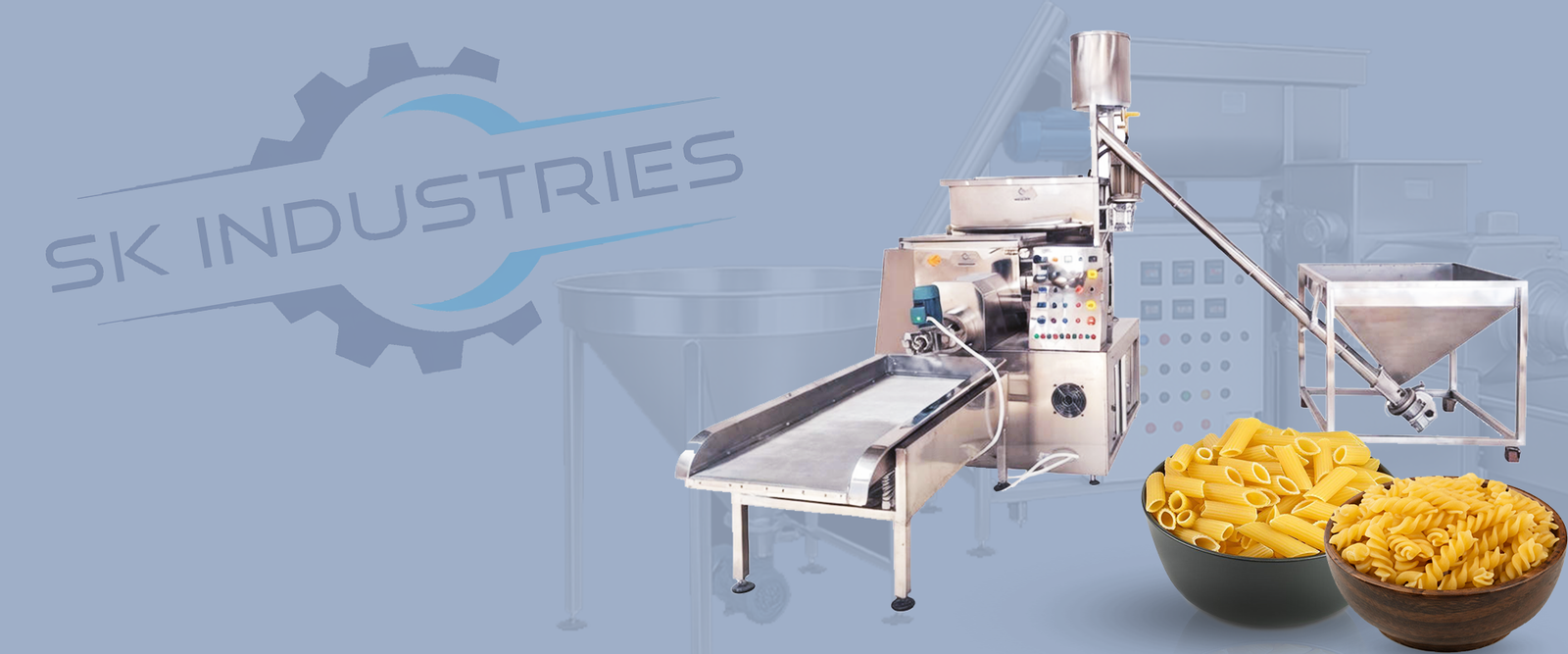
The semi-automatic pasta machine from SK Industries has SS 304 food-contact parts and needs more manual handling, which keeps the starting cost lower. The automatic pasta machine is PLC-controlled and runs at up to 200 kg per hour, which suits steadier, larger orders. If you are unsure, start with the smaller option and move up once your orders grow.
Pick Your First Shapes Wisely
Most new units begin with short cut pasta. A macaroni making machine can often make related shapes by changing the die, so one machine can cover a small range. If you later want a full line for one product, you can look at a penne pasta plant, where every stage is matched in capacity.
Whatever you choose, ask how the die is changed and cleaned. A quick changeover helps a small unit respond to what its buyers ask for.
Five Mistakes New Buyers Often Make
- Buying too big. Capacity you cannot sell sits idle and ties up money.
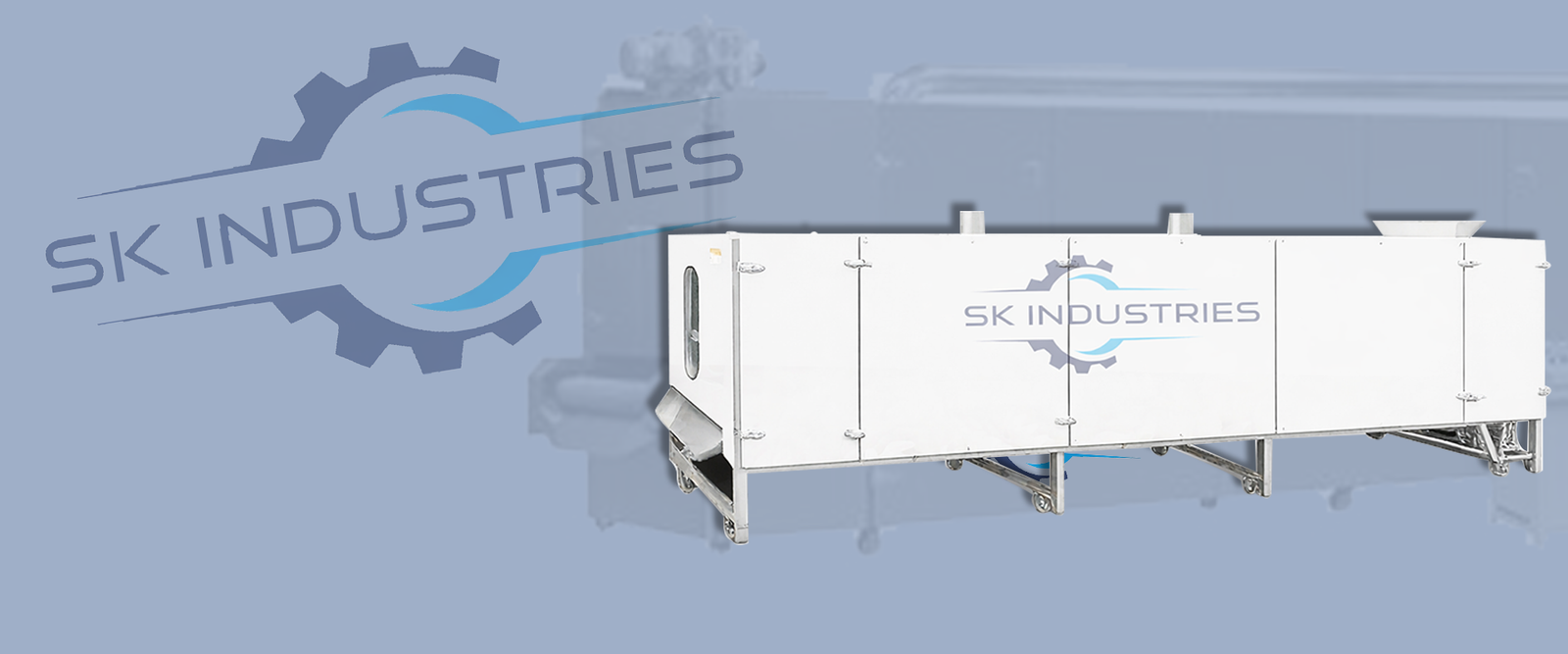
- Forgetting the dryer. Fresh pasta holds a lot of moisture, so dried pasta needs a dryer. SK Industries lists its continuous conveyor dryer at 450 to 500 kg per hour, so check that it matches your extruder.
- Skipping the trial. Flour and semolina differ, so test your own material.
- Comparing only price. Two quotations may include different dies, training and installation.
- Ignoring spare parts. Dies and cutter blades wear, so ask how fast they can be supplied.
A simple way to avoid most of these is to ask every manufacturer for a written specification. It should name the rated output, the material of the food-contact parts, the number of dies, the power requirement and what is and is not included. When two quotations are written this way, comparing them becomes easy and honest, and any gaps show up before you have paid anything.
Think About Selling, Not Just Making
A machine only pays back when the pasta sells. Before you order, decide how you will pack it, how long it must stay fresh on a shelf and where the first orders will come from. Housing societies, local grocers, hostels, restaurants and online sellers all buy in different pack sizes. A few sample packs sold to real buyers will teach you more than any forecast.
Drying matters here too. Pasta that is not dried properly spoils quickly and hurts your name, so plan the continuous conveyor dryer or another drying method along with the extruder, not after it.
What to Bring to a Workshop Conversation
You will get far more useful advice if you arrive prepared. Bring a small sample of the flour or semolina you plan to use, a list of the shapes you want and a rough sketch of your floor area with the power point marked. Write down your daily target in kilograms and the budget you are comfortable with. With these in hand, an engineer can suggest a machine, a dryer size and a layout in one sitting, rather than over several rounds of calls.
Why a Nearby Maker Helps
Ghaziabad sits right next to Noida, where the SK Industries workshop is located at A-66, Sector 8. That makes it easy for buyers here to visit, see a machine running and discuss details face to face. If you are also looking at the wider state, you can read about pasta making machine manufacturers in Uttar Pradesh and how we supply other cities.
Common Questions From Ghaziabad Buyers
Is SK Industries close to Ghaziabad?
SK Industries has its workshop at A-66, Sector 8, Noida, and Noida is next to Ghaziabad. Please contact the team before visiting so they can arrange a time and show you a machine that is running.
Can I start a pasta business at home with a small machine?
A small semi-automatic machine is a common starting point for a small unit. Check local rules for food businesses, including licence requirements such as FSSAI, before you begin.
Do I need a separate machine for each pasta shape?
No. Short shapes such as macaroni, penne and fusilli can usually be made on the same base machine by changing the die and cutter setup.
Does the price include a dryer?
That depends on the quotation. A dryer is often priced separately, so ask the manufacturer to list exactly what is included before you compare offers.
Where to Go From Here
Write down your business type, the shapes you want and the quantity you hope to sell in the first year. With those three points, good pasta making machine manufacturers in Ghaziabad can suggest a setup and explain the reasons. SK Industries has made food processing machinery in Noida for over 20 years, and our team can review your plan and walk you through the options.