Most people who search for pasta making machine manufacturers in New Delhi are not yet sure how a purchase like this actually works. Which step comes first, what should you ask, and when do you pay? This guide follows the buying process in order, from the first enquiry to the first batch of pasta, so you know what to expect at each stage and where mistakes usually happen.
Step 1: Write Down Your Requirement
Before you contact anyone, put four things on paper: how many kilograms of pasta you want to make each day, which shapes you want first, how much floor area you have, and the budget you are comfortable with. A manufacturer can only give a useful answer if these are clear. Vague enquiries lead to vague quotations, and those are hard to compare.
Step 2: Shortlist Two or Three Makers
Speak to a small number of manufacturers rather than a long list. Ask each one the same questions so the answers are comparable. In New Delhi and the wider NCR you have the advantage of being able to visit workshops in person, so use that. A short list of two or three makers is enough to compare fairly without losing weeks. Note how quickly and clearly each one replies, because the same habits usually continue after the sale. A maker who answers questions patiently before you pay is more likely to do so afterwards as well.
Step 3: Choose the Machine Type
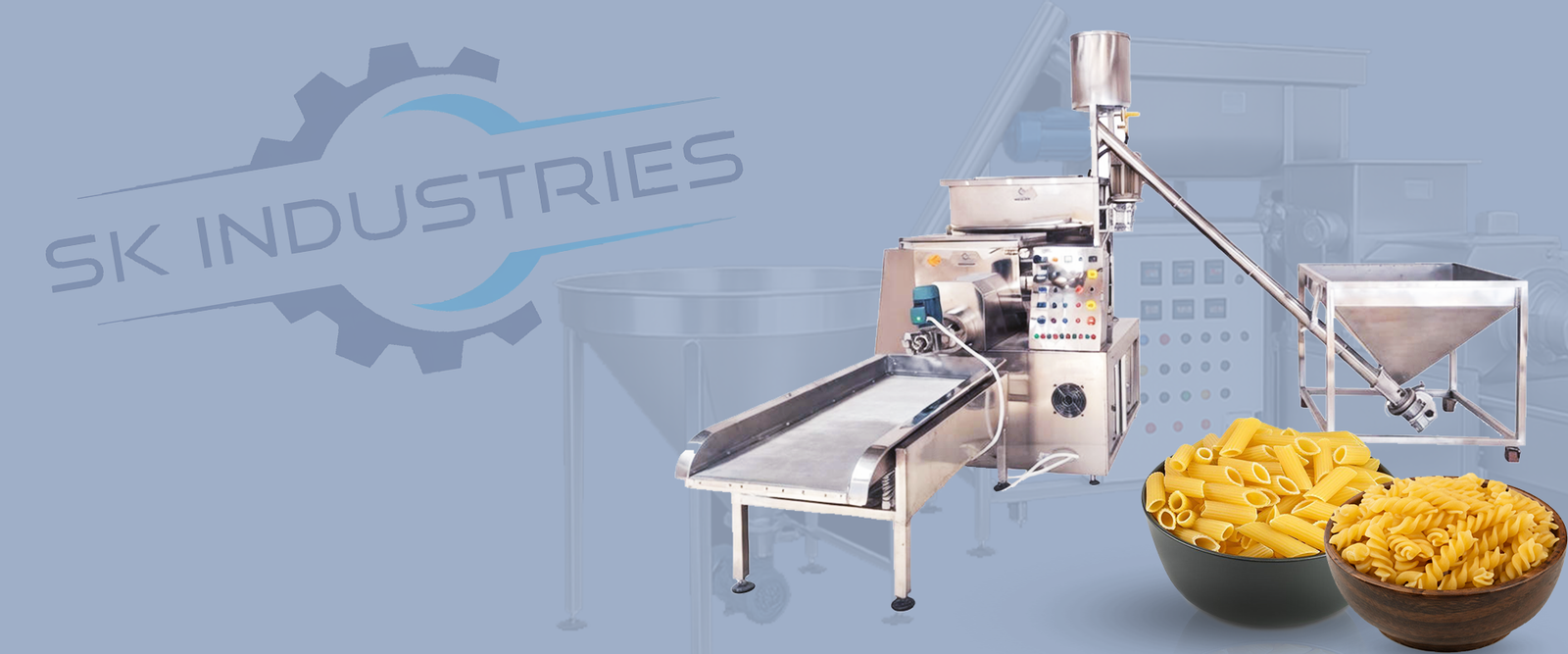
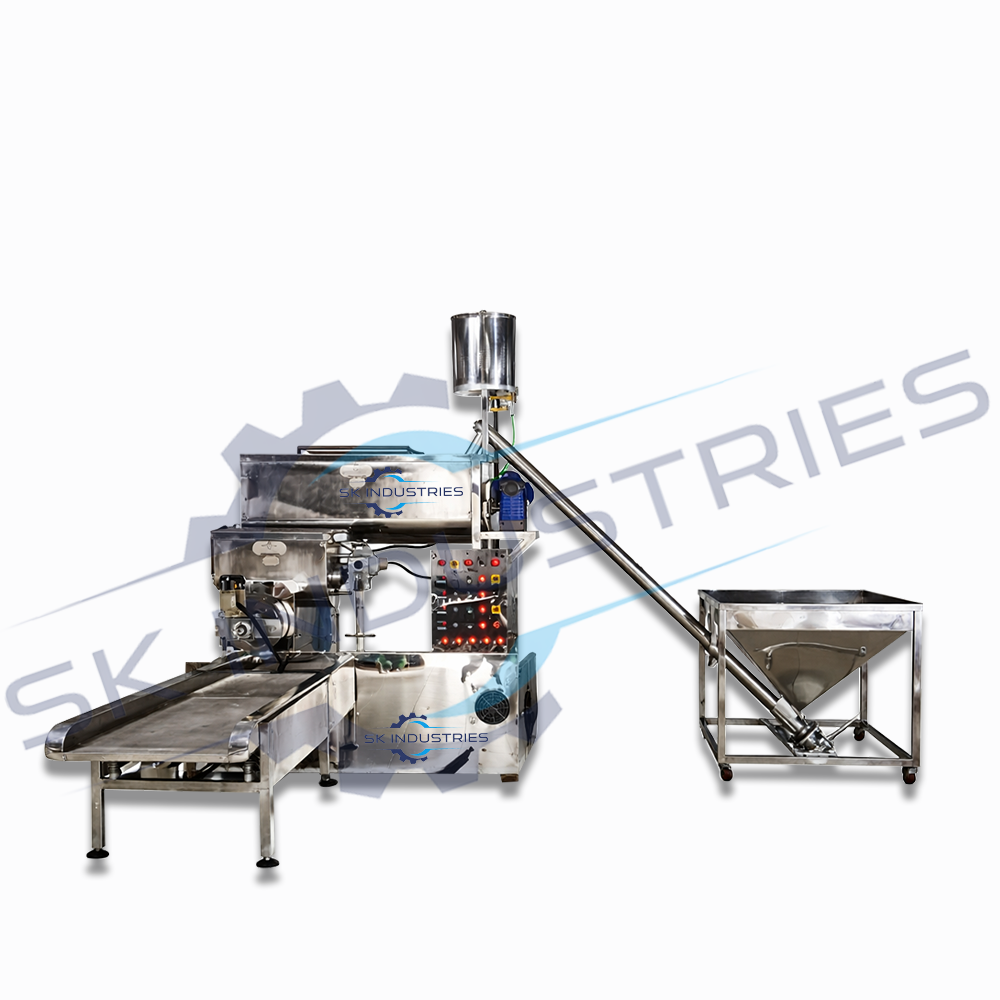
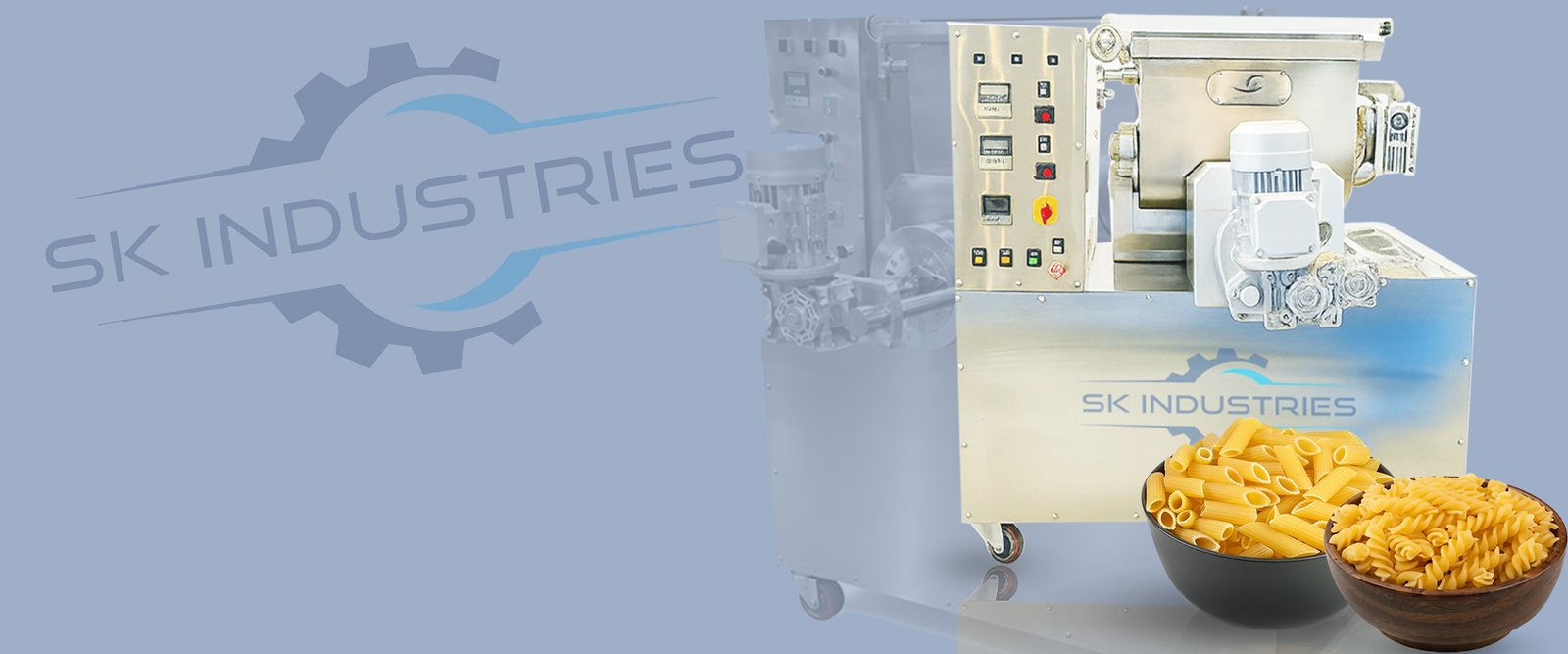
Most new buyers decide between two types. The semi-automatic pasta machine from SK Industries has SS 304 food-contact parts and a lower starting cost, with more manual handling. The automatic pasta machine is PLC-controlled and runs at up to 200 kg per hour. Your daily target from Step 1 usually settles this choice.
Next, think about shapes. A short cut pasta making machine can make macaroni, penne and fusilli by changing the die. The part that builds pressure is the pasta extruder, so ask the maker to explain its design in simple words.
Step 4: Compare Quotations Line by Line
When quotations arrive, lay them side by side. Check the rated output, the material of the dough-contact parts, the number of dies, and whether installation and training are included. Look at the payment terms and the delivery time too. Ask for any missing point to be added in writing, so that what was promised on a call also appears on paper.
Step 5: See It Run and Try Your Flour
This step protects you the most. Visit the workshop, or at least join a live video call, and watch the machine run. Then ask for a trial with your own flour or semolina. Different raw materials behave differently, and a trial shows how your dough will extrude before you commit any money.
Step 6: Plan the Drying and the Space
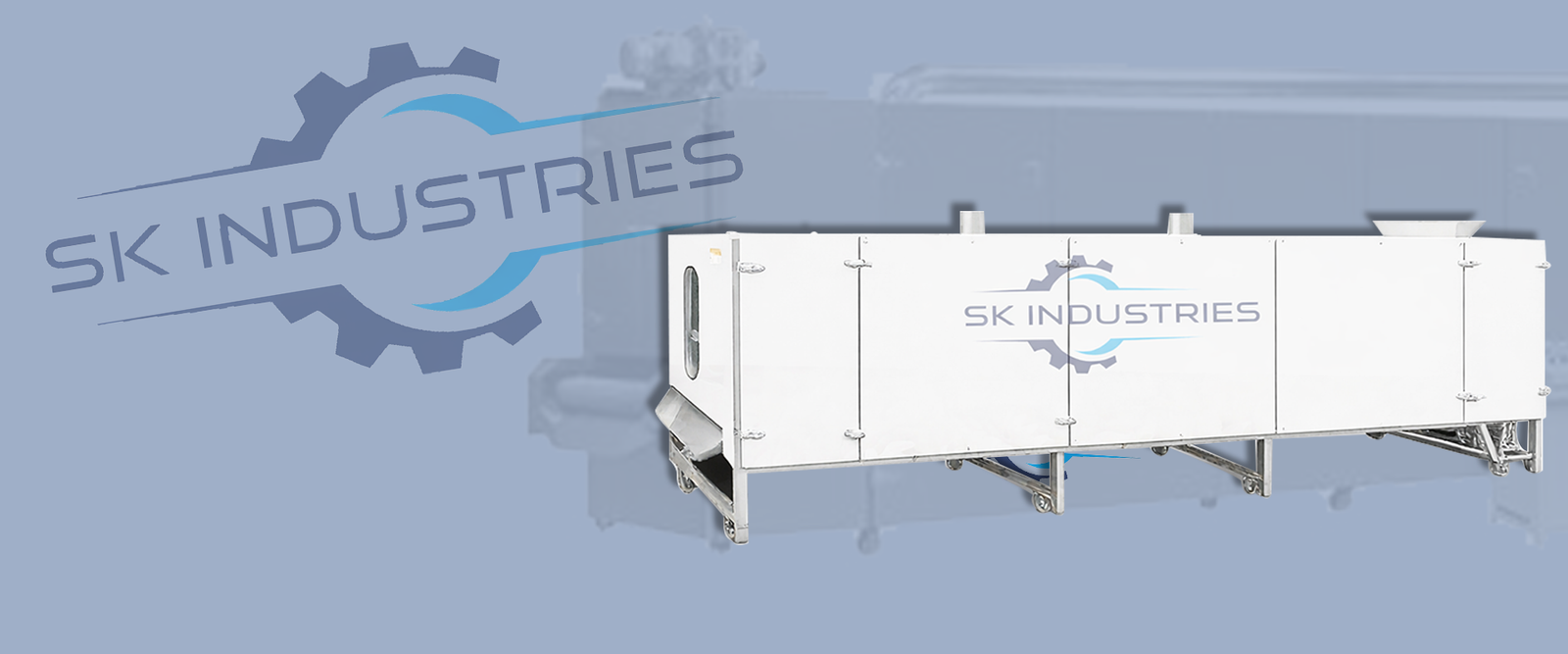
Dried pasta needs a dryer. For smaller batches, a static dryer works in batches, while a continuous conveyor dryer suits steady volumes. Also confirm the power load, the floor space and the layout with the manufacturer, so that your unit is ready when the machine arrives.
Step 7: Delivery, Installation and the First Batch
Ask who packs and sends the machine, who installs it, and who trains your operators. Agree a time plan and write it into the quotation. On installation day, run a first batch together with the engineer, check the shapes and the cutting length, and note down any settings that work well. Keep the engineer's contact for questions later.
Where Delays Usually Happen
Most delays are not caused by the machine itself. They come from small gaps that nobody checked in advance. A power connection that does not match the machine, a floor that was not levelled, a dryer ordered late, or raw material that was not ready for the trial can each hold up the first batch by days.
Make a short checklist and tick it off with the manufacturer: power point and load, floor area, water and drainage if needed, raw material stock, packing material and operators identified. When these are ready before the machine reaches you, installation day stays short and calm.
Keep Your Own Records
Save every quotation, specification sheet, message and payment receipt in one folder. If a question comes up months later, such as which die size you ordered or what was promised about spare parts, a clear record saves time for both sides. Note the settings that worked on your first batch as well, including the dough moisture and cutter speed, so any operator can repeat them.
Finally, remember that a first batch is a test, not a final product. Taste it, check its shape and colour, and adjust. Small changes in water, mixing time and cutter speed often make a visible difference, and an engineer on a call can guide you through them.
Questions Buyers Often Ask
What should I share when I first contact a pasta machine manufacturer?
Share your daily target in kilograms, the pasta shapes you want, your floor area and your budget range. With these four points a manufacturer can suggest a suitable machine and quote.
Should I pay an advance before seeing the machine run?
It is wiser to see the machine run, and ideally try your own flour, before paying an advance. Ask for the terms of payment in writing as part of the quotation.
Will the manufacturer install the machine at my unit?
SK Industries provides installation, commissioning and operator training support. Confirm the details, including who handles each step, in your written quotation.
Ready for the Next Step?
If you want to compare notes, our page on pasta making machine manufacturers in New Delhi explains how we supply the capital, and our guide to planning a pasta unit in Delhi NCR covers space and layout in more detail. SK Industries has made food processing machinery in Noida for over 20 years, and our team will gladly review your requirement and suggest a way forward.