Rohini is a large planned area of North West Delhi, with dense housing, busy markets and food outlets in almost every sector. Nearby industrial areas such as Bawana and Narela add to the commercial activity. For someone who lives or works here and is searching for pasta making machine manufacturers in Rohini, the first problem is usually not which machine to buy. It is whether the numbers work. This guide gives you a simple worksheet to find out before you spend money.
Step One: Know Your Daily Quantity
Every other figure in your plan depends on how much pasta you can actually sell each day. Be honest here. Count the shops, restaurants, hostels and online customers you can reach in the first three months, and estimate what each would order. Use the lower end of your estimate, not the higher one. A machine that runs below its rated output is a normal start, but a machine that runs mostly idle is a heavy cost.
Step Two: List Every Cost
The machine price is only one line in your plan. Use the table below as a worksheet and fill in your own figures after speaking to suppliers.
| Cost head | What to find out |
|---|---|
| Machine and dies | Price, number of dies included, price of extra dies |
| Drying | Whether a dryer is included and its rated capacity |
| Raw material | Flour or semolina cost per kilogram and wastage |
| Power | Connected load of the line and your tariff |
| Labour | Number of operators needed per shift |
| Packing and transport | Pack material and delivery to your buyers |
| Space | Rent or the area you already have |
Once you have these, divide your total monthly cost by your monthly output. That gives a cost per kilogram, which you can compare with the price your buyers will pay.
Step Three: Choose a Machine That Fits the Numbers
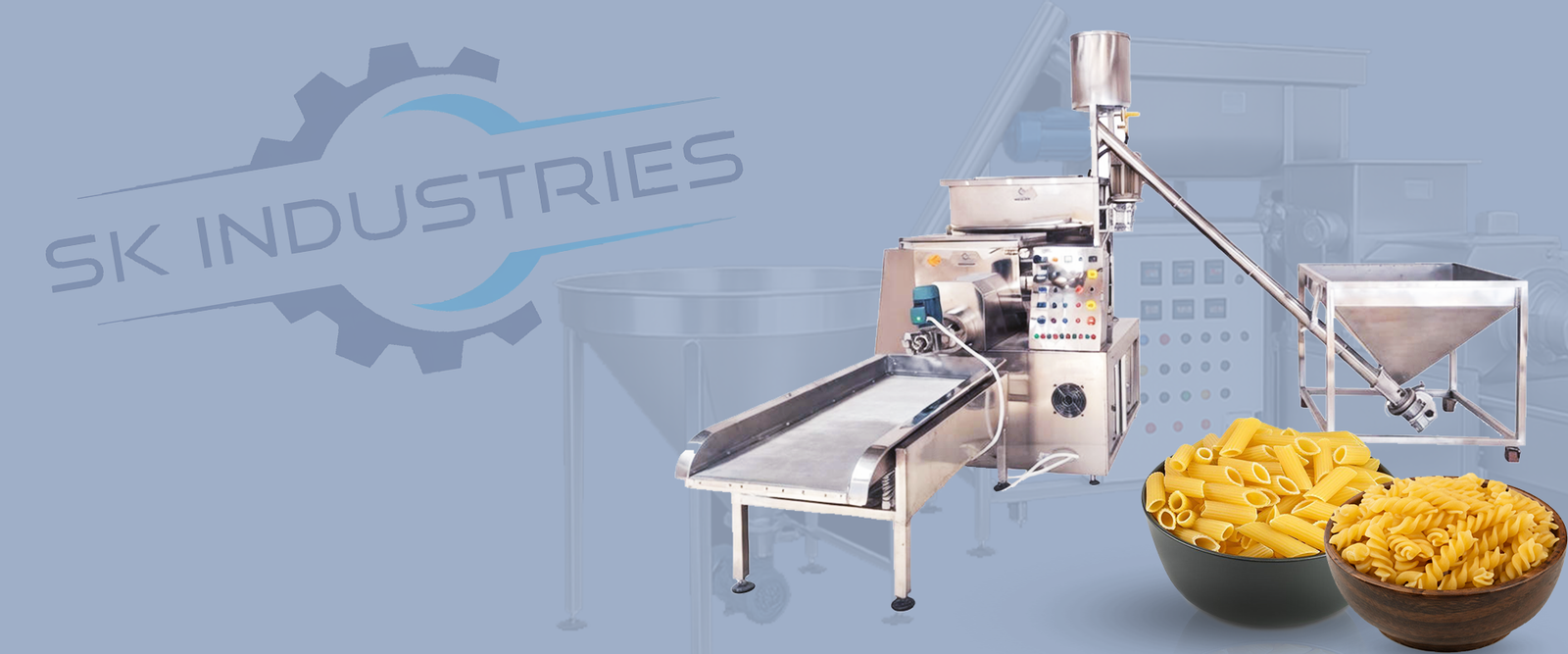
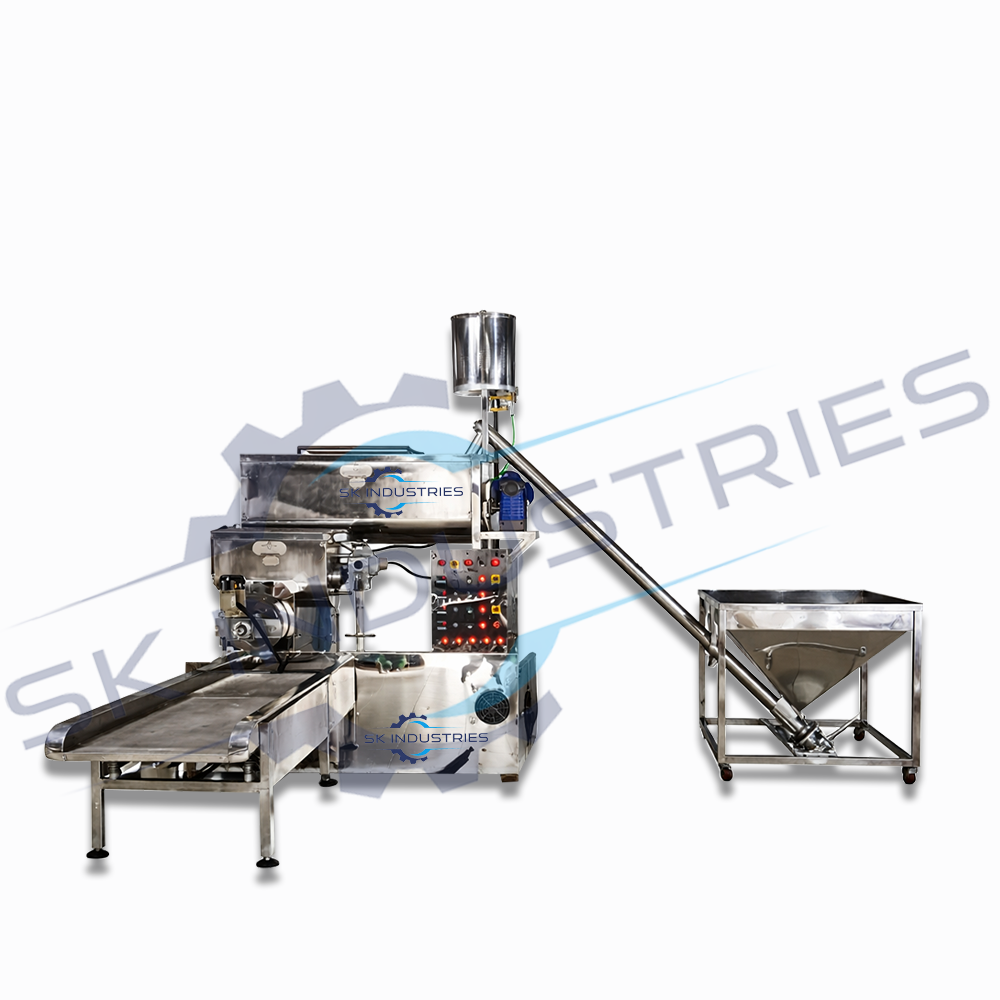
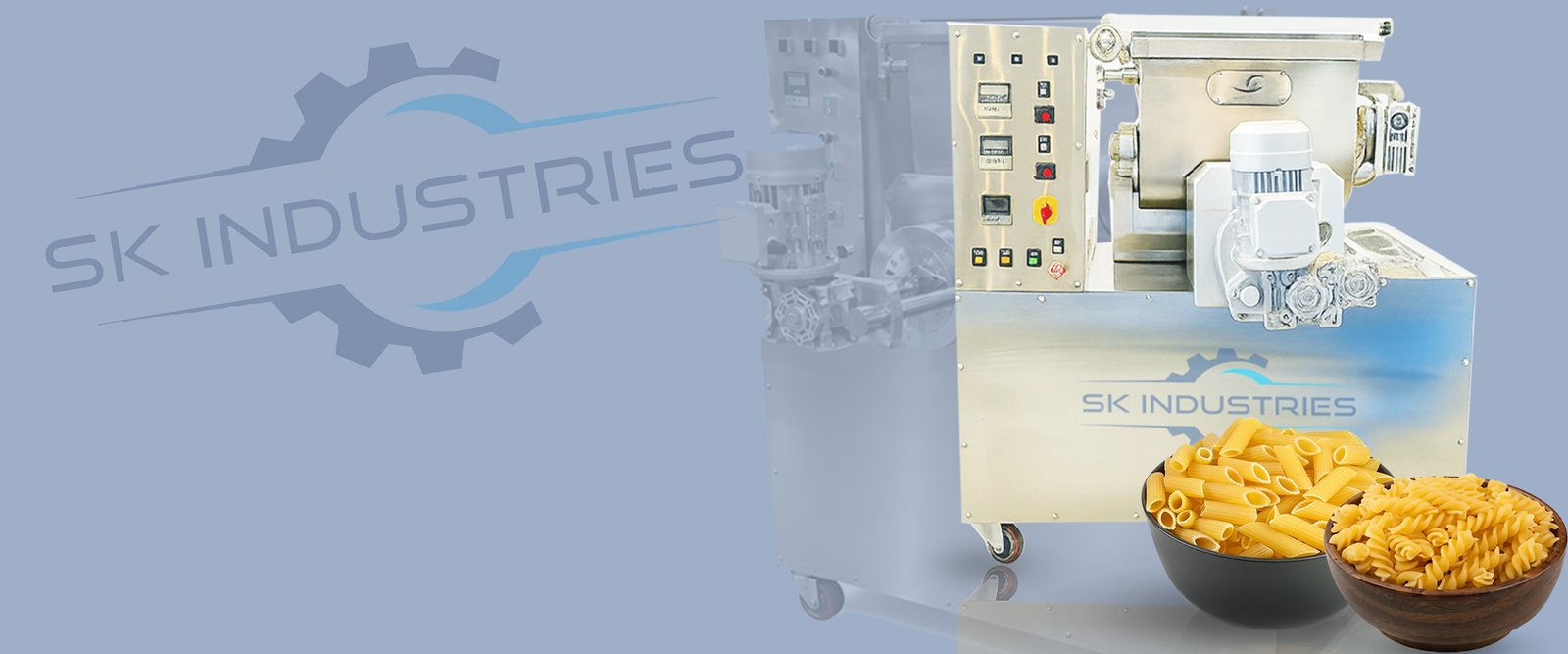
Space is tight in many parts of Delhi, so a compact setup is often the practical choice. The semi-automatic pasta machine from SK Industries has SS 304 food-contact parts and a lower starting cost, with more manual handling. The automatic pasta machine is PLC-controlled and runs at up to 200 kg per hour, which suits a unit with steady, larger orders.
If your product is short cut pasta, a short cut pasta making machine can make shapes like macaroni, penne and fusilli by changing the die. That keeps your investment small while giving you a range to sell.
Do Not Forget Drying
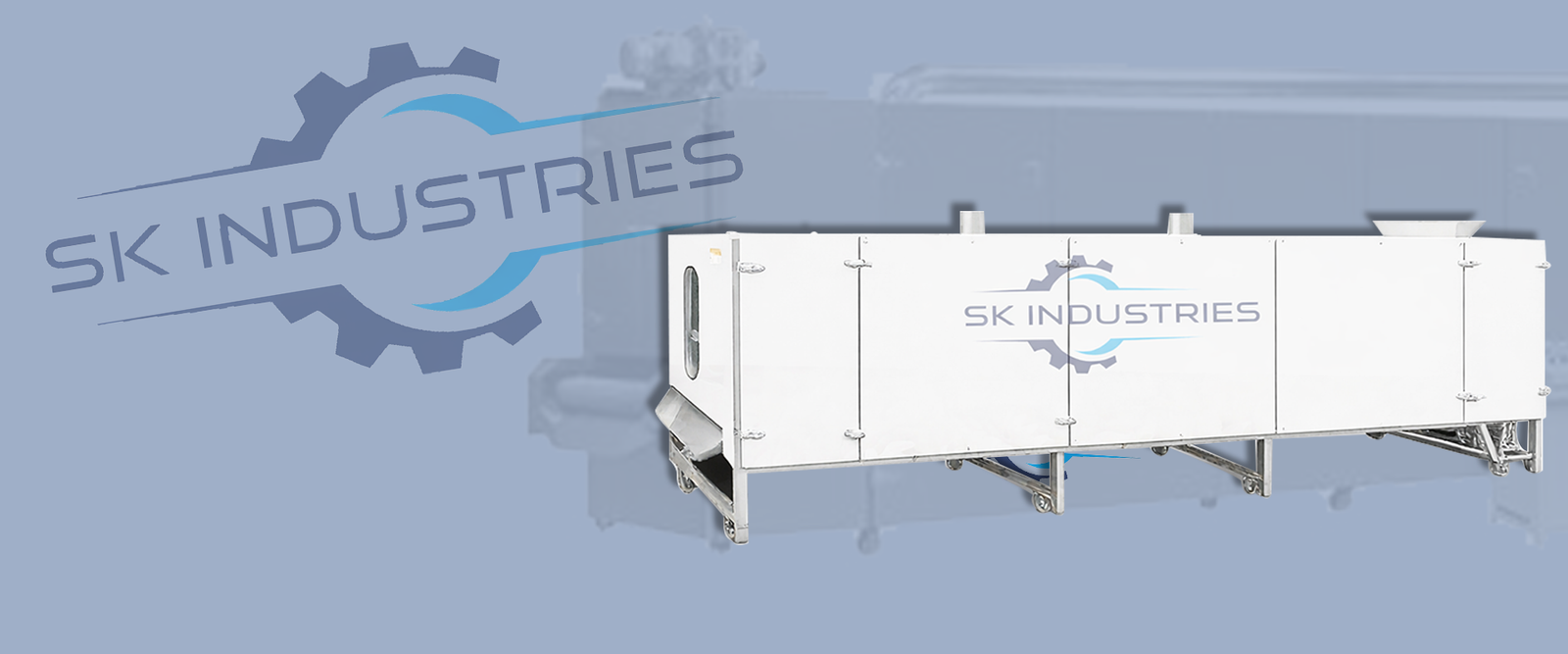
Dried pasta needs a dryer, and this is the cost that new buyers most often leave out. The continuous conveyor dryer from SK Industries is listed at 450 to 500 kg per hour. That capacity suits larger lines, so for smaller batches ask the manufacturer what drying option suits your output. If you later want a complete line for one product, you can look at a penne pasta plant, where each stage is matched in capacity.
Check Your Space and Power Before You Commit
Measure your floor area and note where the power point is. Ask the manufacturer for the machine's footprint, the connected load and any water or drainage needs. A line that fits on paper but not in your room is an expensive mistake. If you rent, confirm with the owner that the use of the space and the power load are allowed. Our guide on planning a pasta unit in Delhi NCR covers layout in more detail.
Who Will Run the Machine?
Labour is the cost people forget until the machine arrives. Decide in advance who will mix, run, dry and pack, and how many shifts you plan. A semi-automatic machine needs more hands during running, while an automatic one needs fewer but costs more to begin with. Ask the manufacturer how many operators the line needs and whether training is included, so your first batch is made by people who already know the steps.
Three Mistakes the Worksheet Helps You Avoid
- Buying for the best month. Plan around an average month, because orders rise and fall.
- Pricing from the machine, not from the market. Your selling price depends on what buyers pay, so check shop prices before you fix your own.
- Ignoring small costs. Packing, transport and spare dies look minor, but together they can change your margin.
Review the worksheet every few months once you start. Real figures from your own unit will be more useful than any estimate, and they will tell you when it is time to add a second shape or a larger machine.
Questions From Rohini Buyers
How do I work out the right machine size for my pasta business?
Start from the quantity you realistically expect to sell each day, not from the largest machine on offer. Add a margin for growth, and compare the result with the rated output the manufacturer gives in writing.
Does SK Industries supply machines to Rohini and the rest of Delhi?
Yes. SK Industries is based in Noida at A-66, Sector 8, and supplies pasta making machines to Delhi, including Rohini, and to other states. The team confirms the delivery time with each quotation.
What costs should I include besides the machine price?
Include raw material, power, labour, packing, transport, spare dies and blades, and the cost of a dryer if you plan to sell dried pasta. Ask the manufacturer for the power load and the number of operators the line needs.
Turning the Worksheet Into a Decision
When the worksheet is filled in, you will know your cost per kilogram, your likely monthly output and how long it may take to recover your investment. If the figures look thin, start smaller or look for more buyers before you buy. SK Industries has made food processing machinery in Noida for over 20 years, and our team can go through your numbers with you and suggest a setup that fits.