Meerut sits in the heart of western Uttar Pradesh, a region where wheat is a major crop and flour is part of everyday trade. That makes it a natural place to start a pasta business. If you are looking at pasta making machine manufacturers in Meerut, most guides start with the machine. This one starts with the flour, because the raw material quietly decides how well any machine will perform.
Why Your Flour Matters More Than You Think
Pasta is made from a simple mix of flour or semolina and water, but the result changes with the flour. Some flours give a firmer dough, some a softer one. The colour of the finished pasta, how well it holds its shape when cooked and how it behaves in the extruder all depend on what goes in.
Local availability is an advantage in this part of the state, since you may be able to source flour from nearby mills. But availability is not the same as suitability. Before you commit to a machine, decide which flour or semolina you intend to use every day, and keep a sample of it.
Run a Trial With Your Own Material
A trial is the most useful check you can make. Ask the manufacturer to run your flour through the machine and look at four things:
- How the dough extrudes. It should come out smoothly, without tearing or sticking.
- How the cut pieces look. Edges should be clean and lengths even.
- How the pasta holds its shape. Fresh pieces should not slump or stick together.
- How it looks after drying. The surface should be even and the pieces should not crack.
If you cannot travel, ask for a live video of the trial. If you can travel, the SK Industries workshop is at A-66, Sector 8, Noida, and buyers from Meerut can arrange a visit by contacting the team first.
Choosing the Machine Once the Flour Is Settled
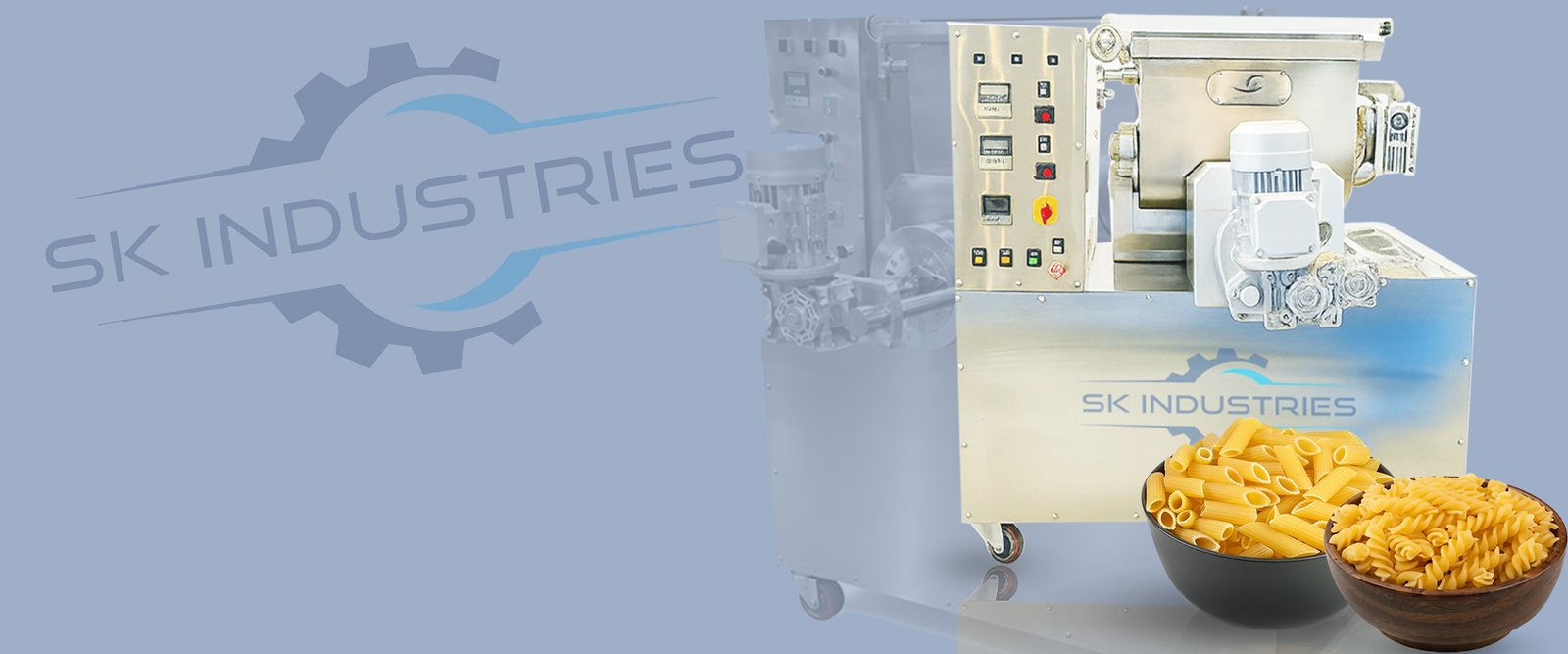
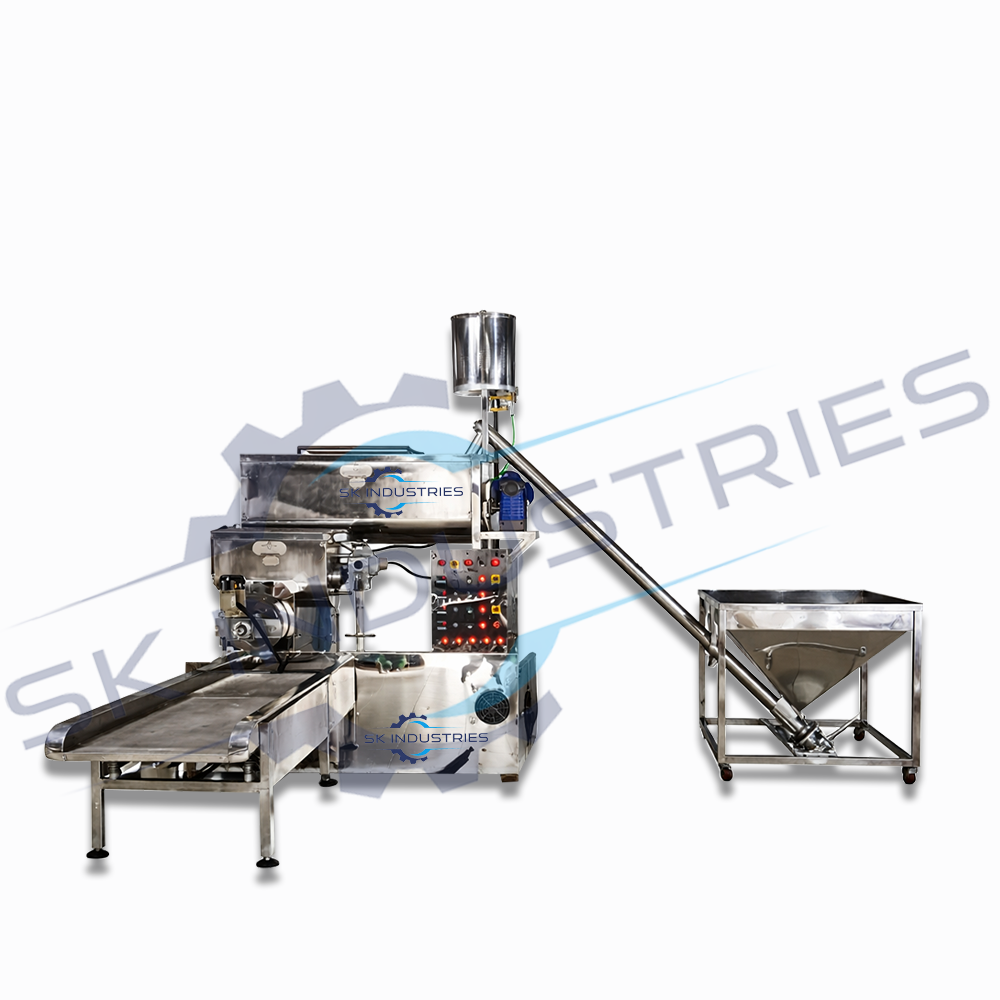
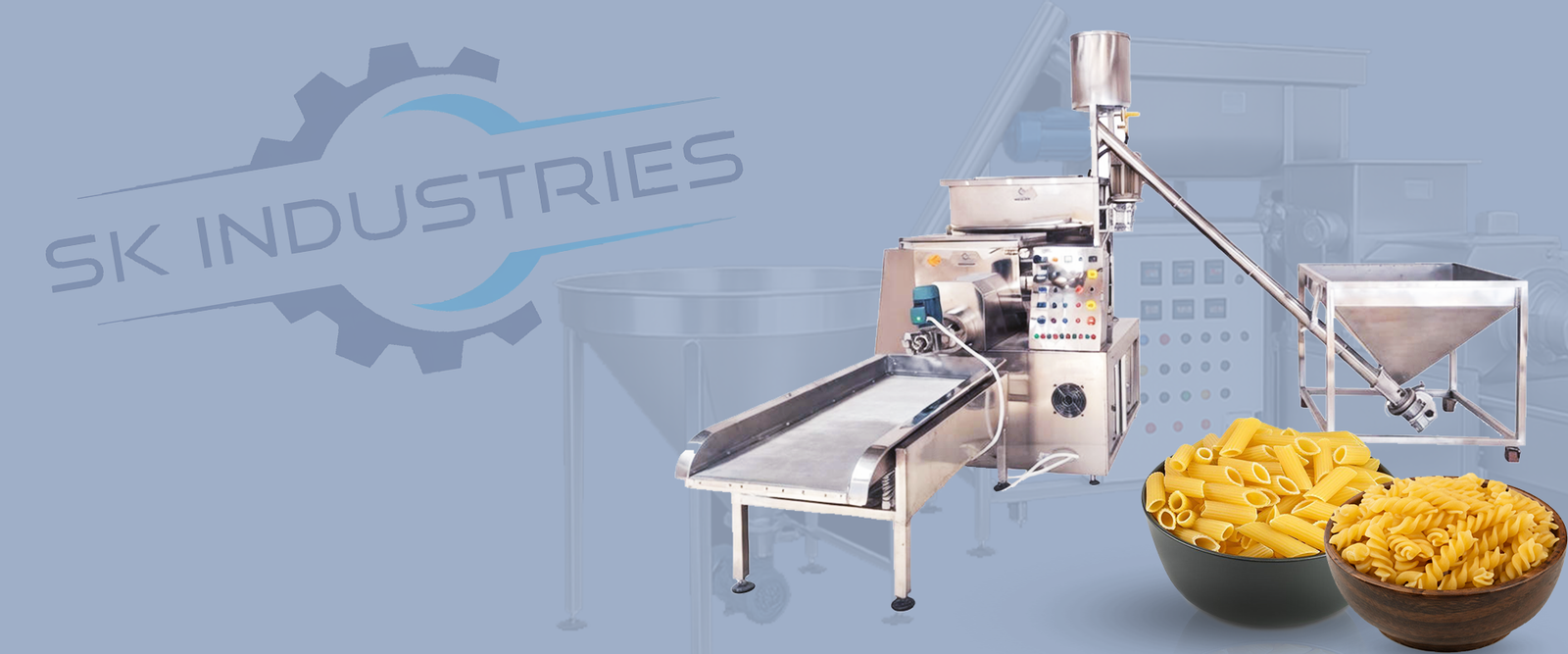
With your flour known, the next question is scale. The semi-automatic pasta machine has SS 304 food-contact parts and needs more manual handling, so it suits a first unit with modest volume. The automatic pasta machine is PLC-controlled and runs at up to 200 kg per hour, which suits steadier, larger orders. Both are covered on our page about pasta making machine options.
For shapes, a macaroni making machine can often make related short shapes by changing the die. After extrusion, the pasta cutting machine sets the length of each piece, so its speed should match the extrusion rate.
Store and Handle Your Flour Properly
Even a good machine struggles with poorly kept flour. Damp flour forms lumps and changes how much water the dough needs. Keep bags off the floor and away from walls, close opened bags tightly and use older stock first. Avoid switching from one flour batch to another without a short test run, because a new batch can behave differently from the last one.
A simple notebook helps. Note the flour batch, the amount of water used and how the dough felt on each day. Over a few weeks you will see a pattern, and your operators will know how to adjust when the weather or the flour changes.
Plan for Wear and Maintenance
Dies and cutter blades wear with use, and worn parts change the look of your pasta before you notice any breakdown. Ask the manufacturer how long these parts usually last with your flour, and keep a spare set on hand. Clean the die and the cutter after every shift, and ask for a short written maintenance schedule when the machine is delivered. A few minutes of daily care is far cheaper than a day of lost production.
Plan Where Your Pasta Will Be Sold
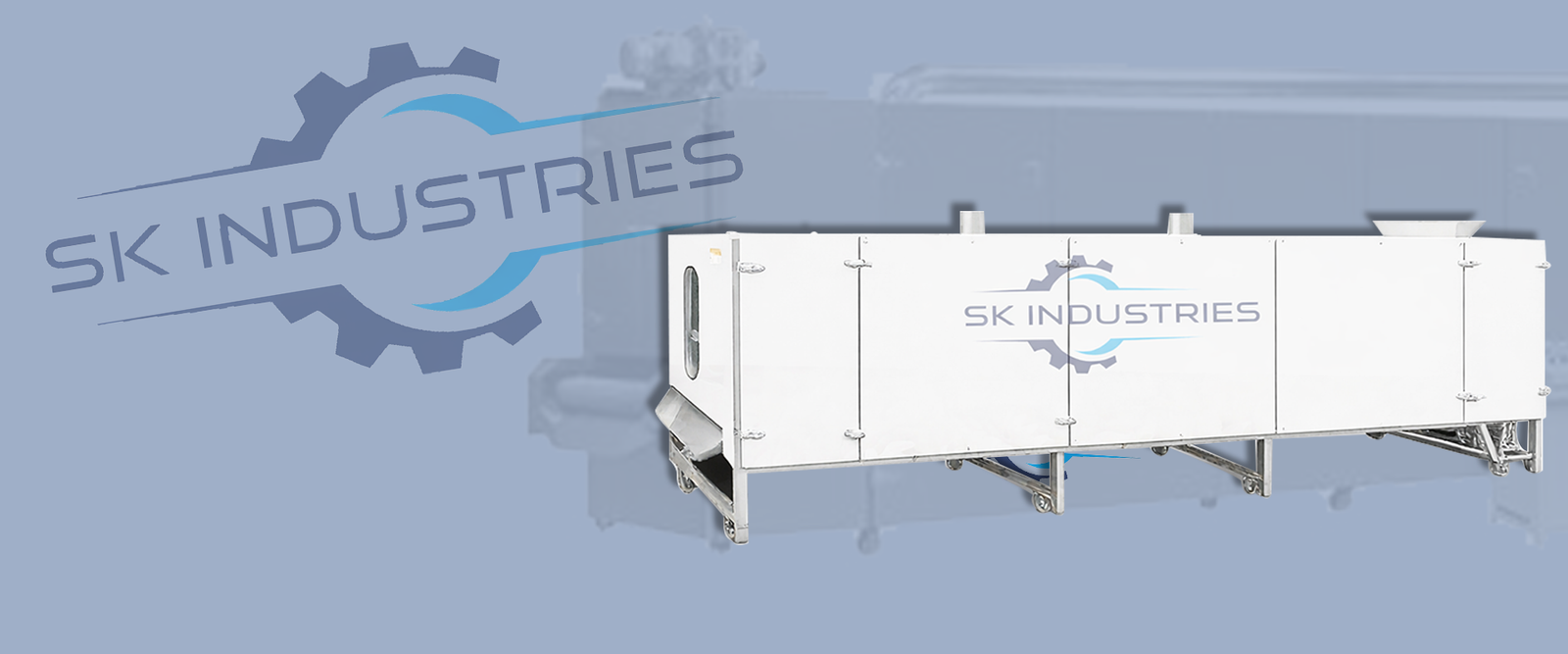
Meerut has good road links to Ghaziabad, Delhi and several towns of western Uttar Pradesh, so your pasta can reach a wide set of buyers without a very long trip. That affects your packing and shelf-life plan. Dried pasta travels and stores well, which is why a dryer matters. SK Industries lists its continuous conveyor dryer at 450 to 500 kg per hour, so match the dryer to the extruder output rather than guessing.
Think about your first buyers too. Local grocers, restaurants, hostels and online sellers each order in different pack sizes. A few sample packs sold before you scale up will show you which size sells best.
Keep a simple record of every sale in the first months: the pack size, the buyer type and whether they ordered again. Repeat orders are the clearest sign that your pasta quality and price are right, and they tell you when it is time to add capacity or a second shape.
Questions From Meerut Buyers
Which flour is used to make pasta?
Pasta is commonly made from semolina or wheat flour mixed with water. Different flours give different texture and colour, so test the one you plan to use before you finalise a machine.
Can I buy a pasta machine in Meerut from a Noida manufacturer?
Yes. SK Industries builds machines at its workshop at A-66, Sector 8, Noida, and supplies customers across Uttar Pradesh, including Meerut. The team confirms the delivery time with each quotation.
How do I know if a machine suits my wheat?
Ask for a trial with your own flour or semolina. Watch how smoothly the dough extrudes, how the cut pieces hold their shape and how the dried pasta looks.
Taking the Next Step
Decide on your flour first, then your daily quantity, then your shapes. These three answers make it much easier to talk to pasta making machine manufacturers in Uttar Pradesh and compare their offers fairly. You may also find our guide for buyers in Ghaziabad useful, since the two cities are close. SK Industries has made food processing machinery in Noida for over 20 years, and our team can review your plan and suggest a setup.