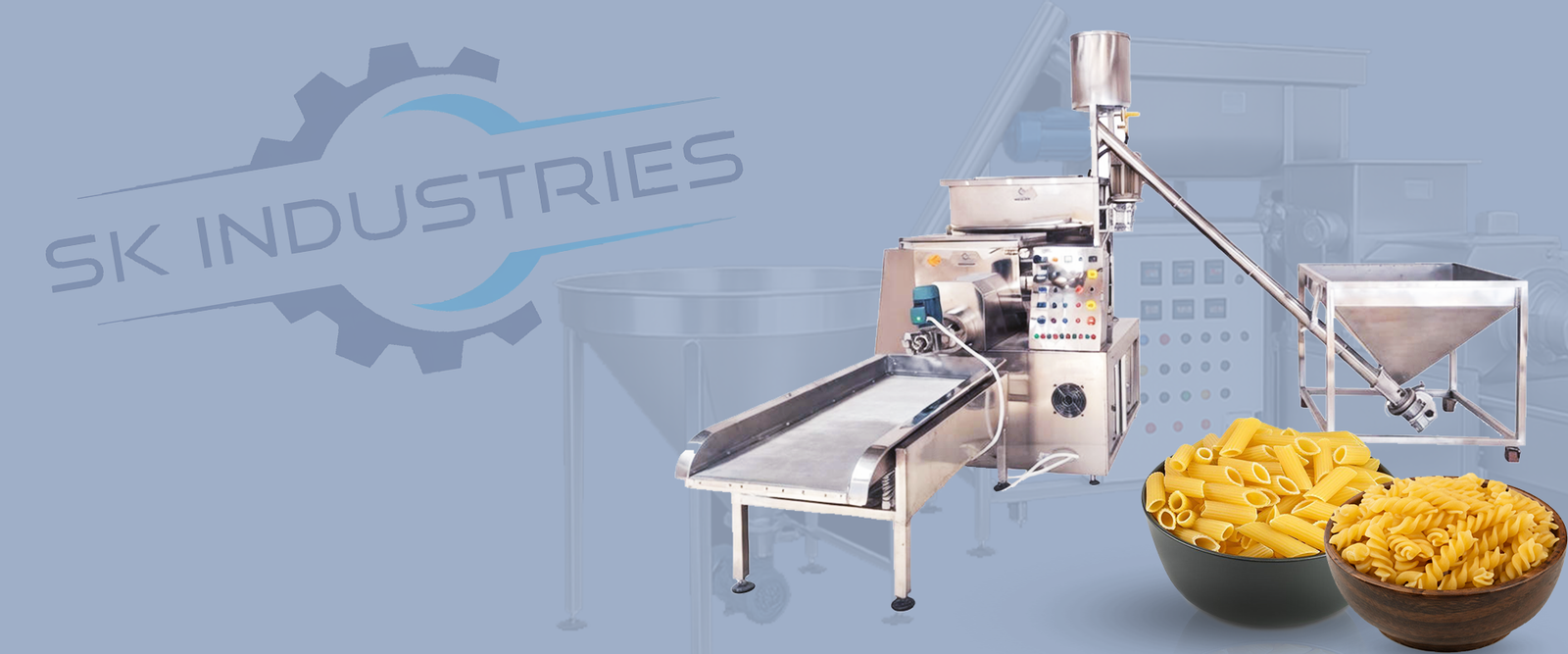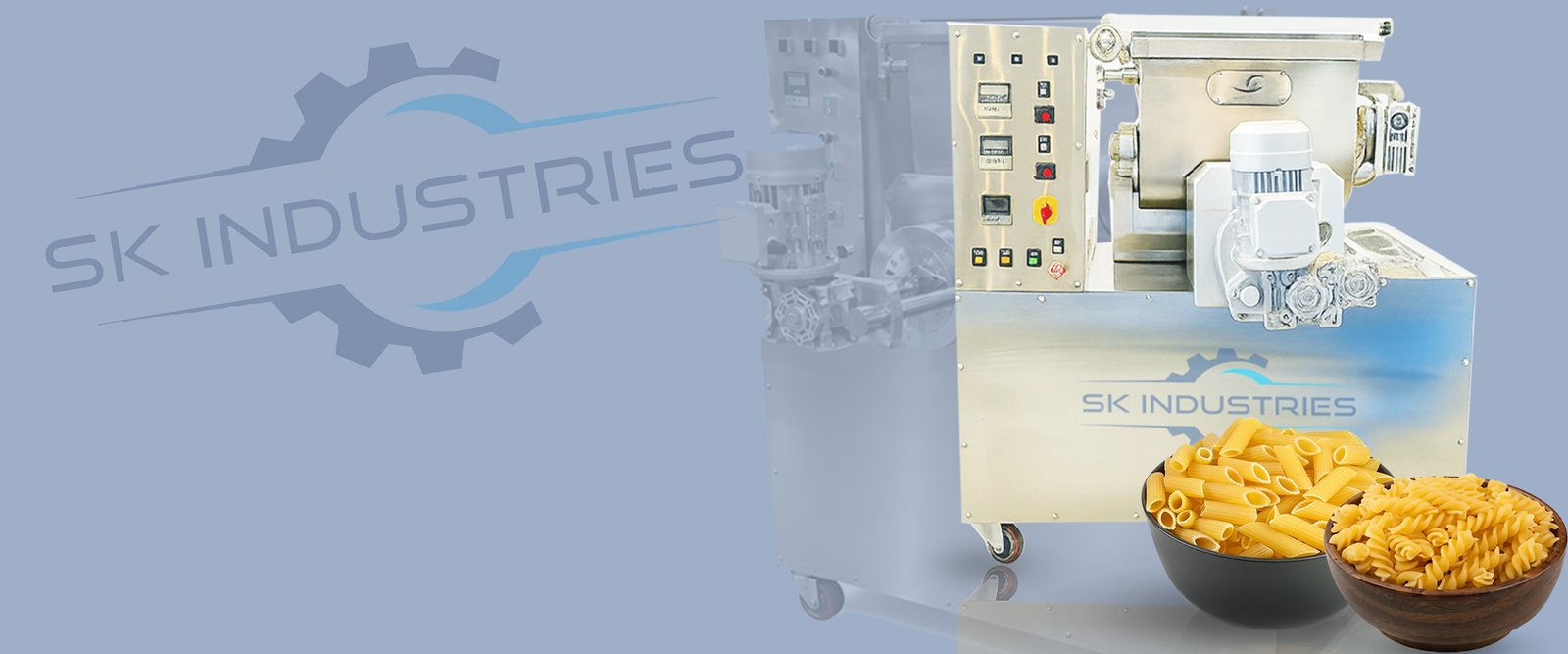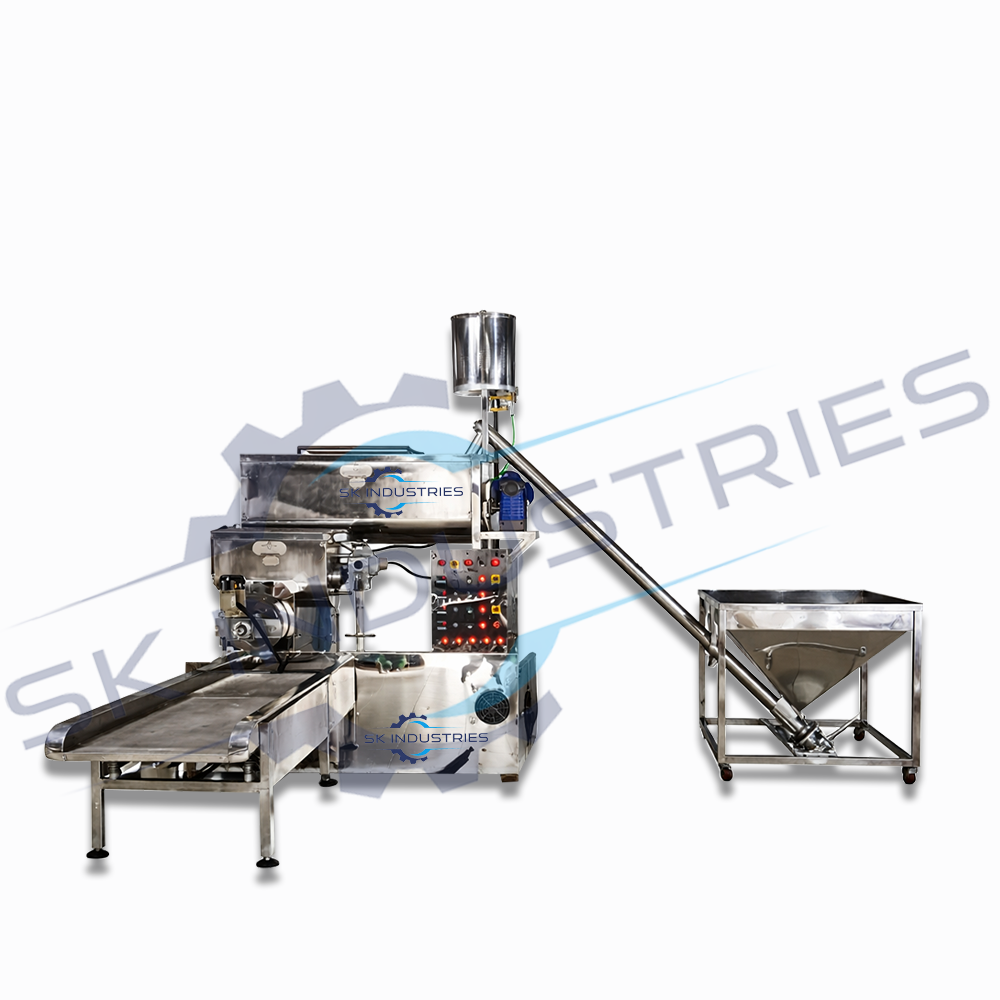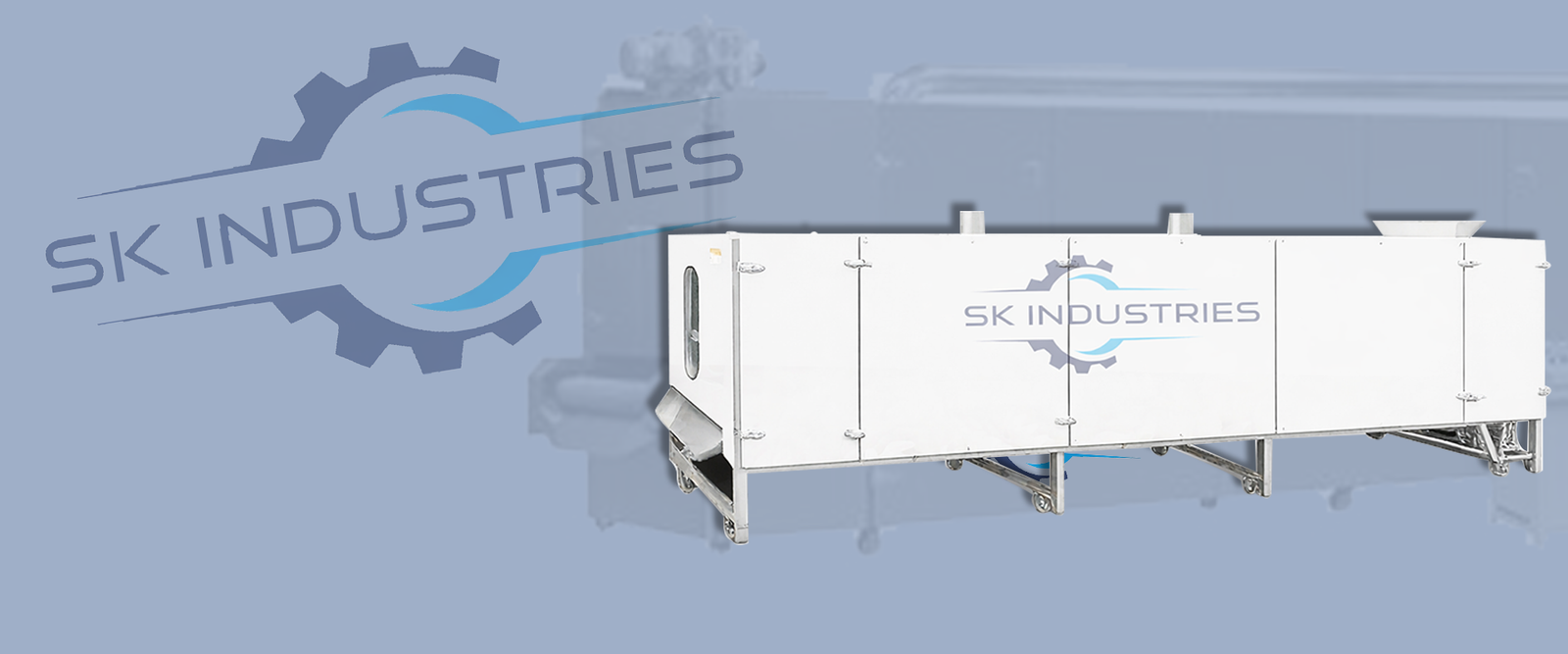
When buyers compare vermicelli making machine manufacturers, most of the talk is about the extruder and the die. A question that often comes late is the roaster. Many vermicelli products are roasted, and the roaster you choose changes your cost, your space and your daily routine. This guide compares the two common options, a rotary roaster and a batch roaster, so you can decide before you talk to any maker. For the wider line, our vermicelli plant guide gives the full picture.
First Decide Whether You Need a Roaster at All
Not every vermicelli product is roasted. Some markets prefer plain vermicelli and others expect a roasted, darker strand. Before you add a machine, speak to a few real buyers, such as shops, caterers and packers, and ask which they want. If you plan to sell both types, you will need a roaster that can run a small batch as easily as a large one.
How a Rotary Roaster Works
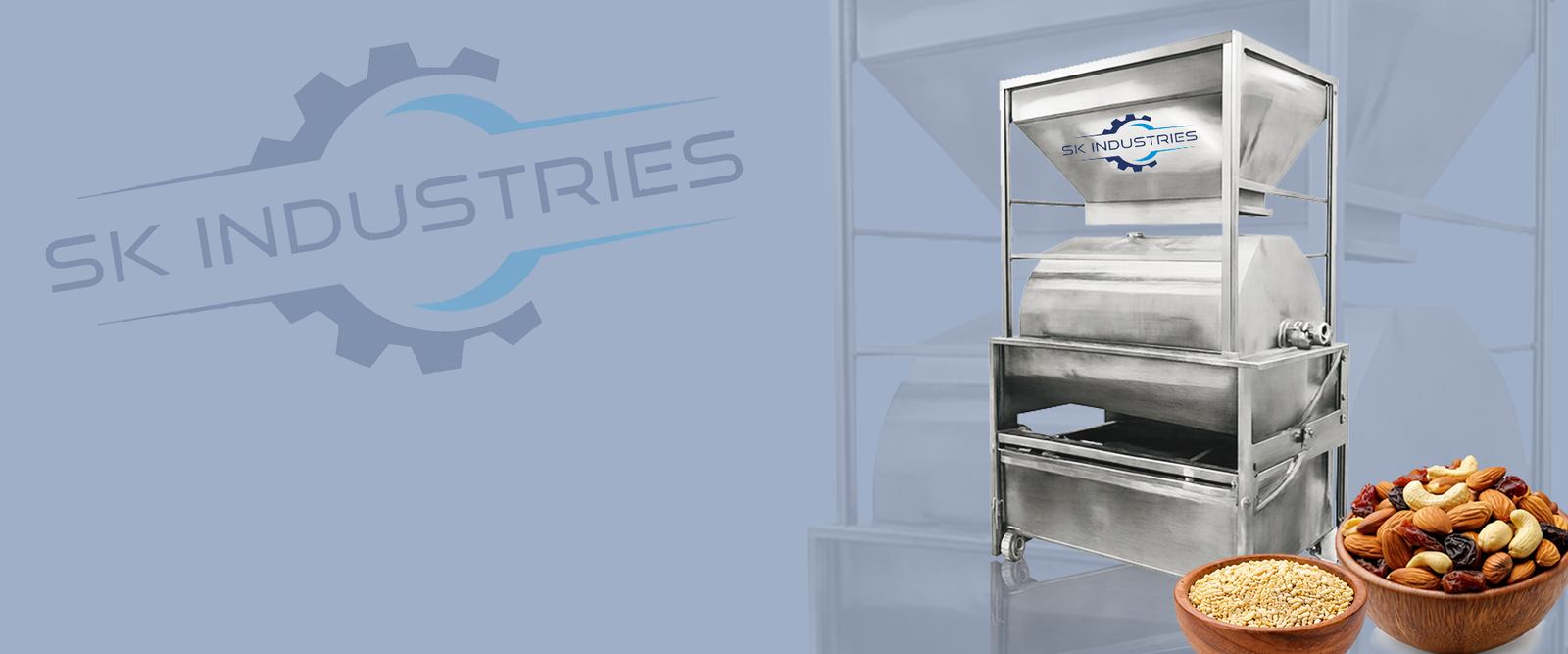
A rotary roaster holds the product in a rotating drum. As the drum turns, the vermicelli tumbles and meets a flow of hot air, so the roasting stays even. A hopper with a vibro feeder drops product into the drum at a steady rate. The rotary roaster from SK Industries is listed at 80 to 100 kg per hour with a 12 kW power rating, and its contact parts are SS 304 stainless steel.
Because the product moves all the time, this type suits a unit that roasts the same product every day in steady volume.
How a Batch Roaster Works
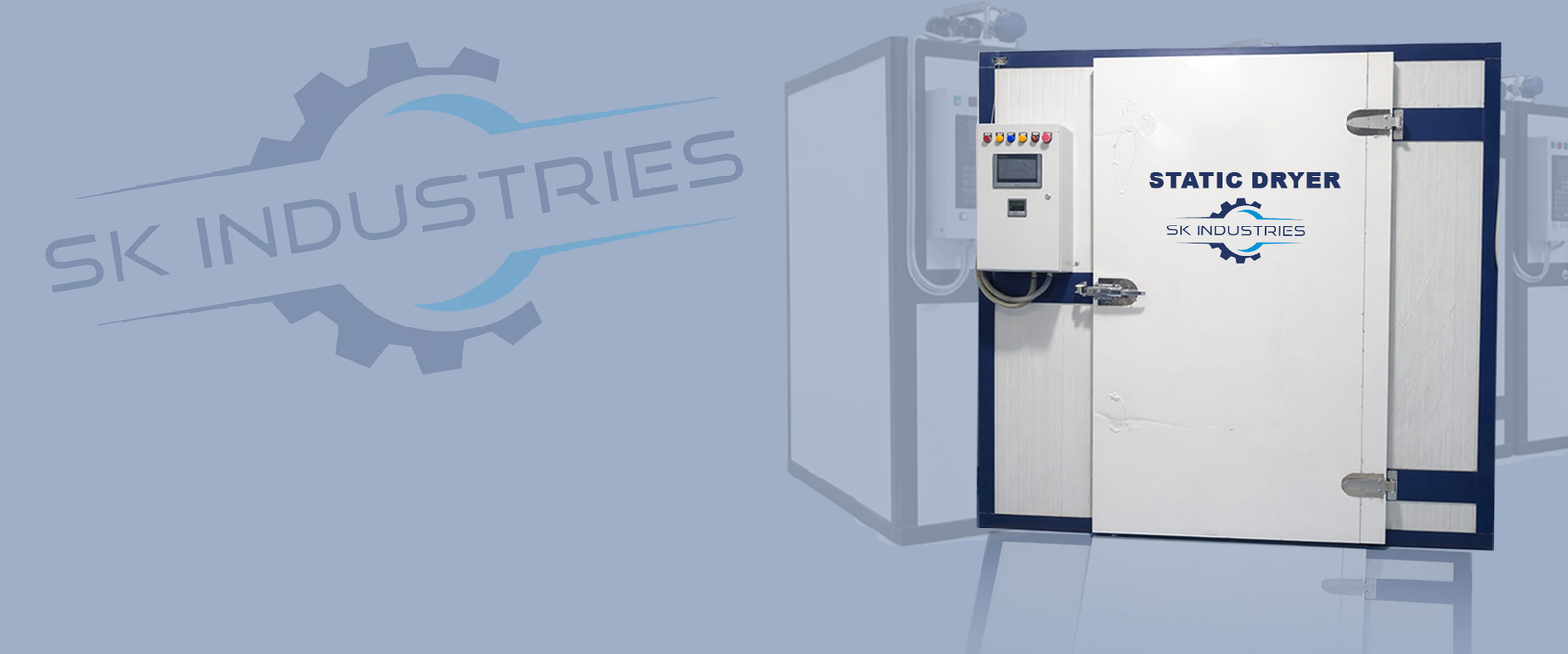
A batch roaster is a chamber. Product is loaded on trays, the trays go inside, and hot air flows over them. The batch roaster from SK Industries can be run manually or automatically, with adjustable temperature and airflow. It suits small to medium production, and it is easier to change from one product to another because each batch is separate.
Rotary and Batch Roasters Side by Side
| Point | Rotary roaster | Batch roaster |
|---|---|---|
| How it works | Rotating drum, continuous feed | Trays in a chamber, one batch at a time |
| Suits | Steady volume of one product | Small to medium runs and varied products |
| Operation | Fed through a vibro feeder | Manual or automatic |
| Listed rating | 80 to 100 kg per hour | Depends on the model chosen |
Check That the Roaster Matches the Rest of the Line
This is the check many buyers miss. SK Industries lists its continuous conveyor dryer at 450 to 500 kg per hour, while the rotary roaster is listed at 80 to 100 kg per hour. If you plan to roast everything that leaves the dryer, the roaster could become the slowest part of the line. If only part of your output is roasted, the numbers may be fine. Work out how much of your vermicelli will be roasted, and compare the ratings in writing.
Vermicelli strands are thin and can break easily, so also ask how the product will be moved from one stage to another. A food-grade screw conveyor can transfer product between stations, but ask how it handles fragile strands.
Heat Source and Running Cost
Both roaster types can work with different heating sources, such as gas, electricity or steam. The right choice depends on what is available at your unit and what it costs to run. A site with a reliable gas supply may prefer one source, while a unit with limited gas but good power may prefer another. Ask the manufacturer which sources a given model supports, and ask for the power load in writing, so you can compare it with your connection.
Temperature and airflow should be adjustable. Roasting is about colour and aroma as much as heat, so you will want to fine-tune both for each product and each season.
What Happens After Roasting
Roasted vermicelli leaves the roaster hot and fragile. Ask how it will cool before it is packed, and how it will be moved without breaking the strands. A few minutes of careful handling here protects the look of your pack, which buyers notice first. Plan a clean, dry area for cooling and packing, and keep roasted and unroasted product apart so that they do not get mixed.
Cleaning matters as well. Oil and fine dust can build up in a roaster, and a dirty roaster can change the taste of the next batch. Ask how easy it is to open, brush and wash the machine between products, and how long that takes. A roaster that is easy to clean is more likely to be cleaned properly.
Questions to Ask Before You Choose
- What fraction of my output will be roasted, and at what rate?
- Which heating source suits my unit: gas, electricity or steam?
- How easily can I change the roasting temperature and time?
- How is the roaster cleaned between products?
- Can I see a roaster running with vermicelli before I pay?
Questions Buyers Ask
Does vermicelli always need roasting?
No. Some vermicelli is sold plain and some is sold roasted. Check what your buyers expect in your market before you decide to add a roaster.
What is the difference between a rotary roaster and a batch roaster?
A rotary roaster tumbles product continuously inside a rotating drum and suits steady volume. A batch roaster holds product on trays inside a chamber and suits small to medium production runs.
Can a roaster become the limit of my vermicelli line?
Yes. If all your vermicelli is roasted, the roaster rating must be high enough to keep up with the extruder and dryer. Compare the rated capacity of each machine in writing.
A Practical Way to Decide
Start from your buyers, then your volume, then your budget. Among the vermicelli making machine manufacturers you speak to, choose the one who asks about your roasting plan before quoting. SK Industries has built food processing machinery in Noida for over 20 years, and our team can help you choose a roaster that fits your line.