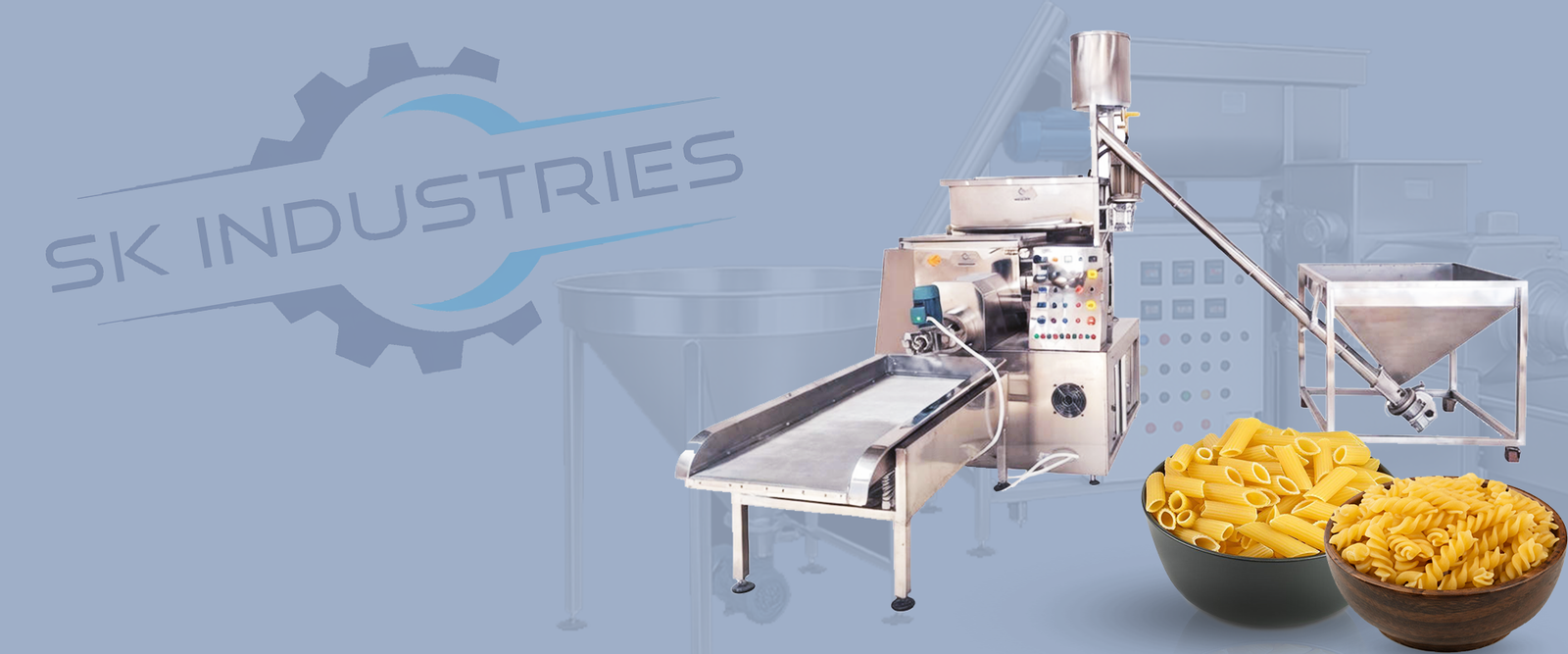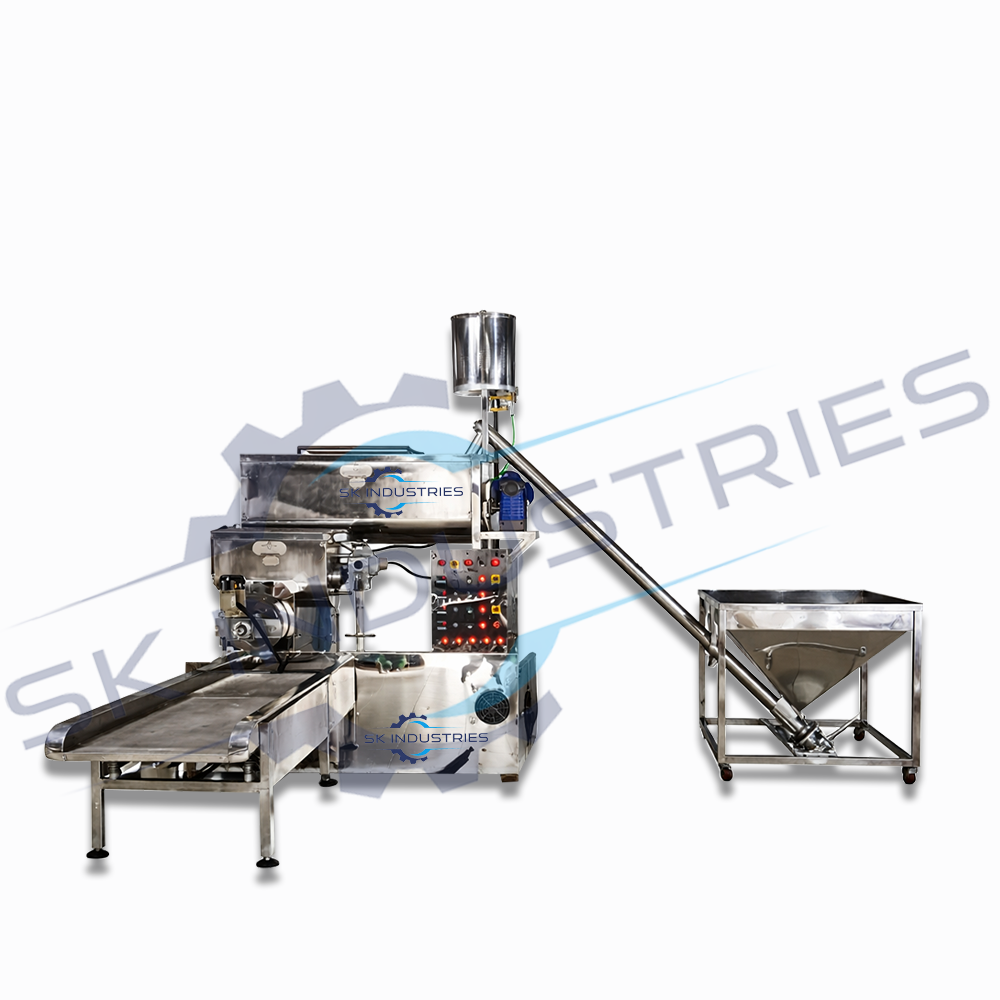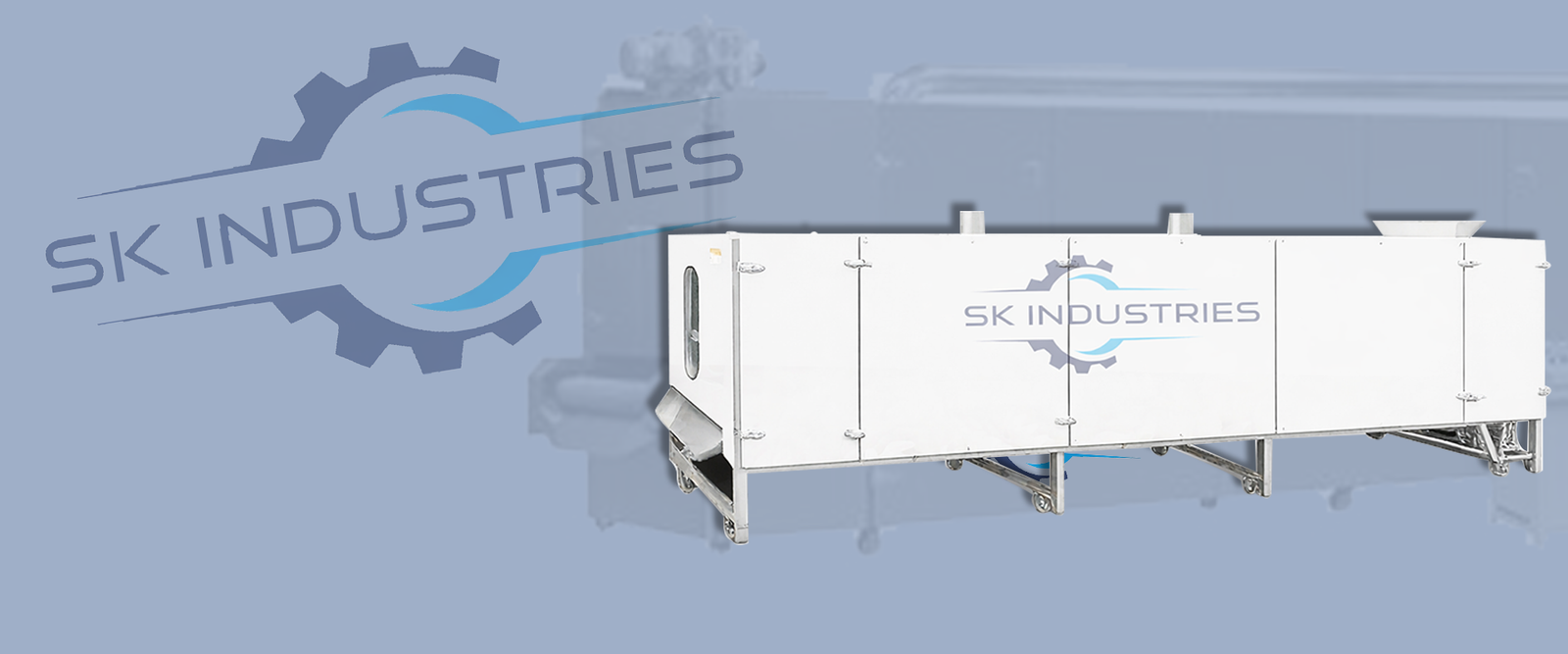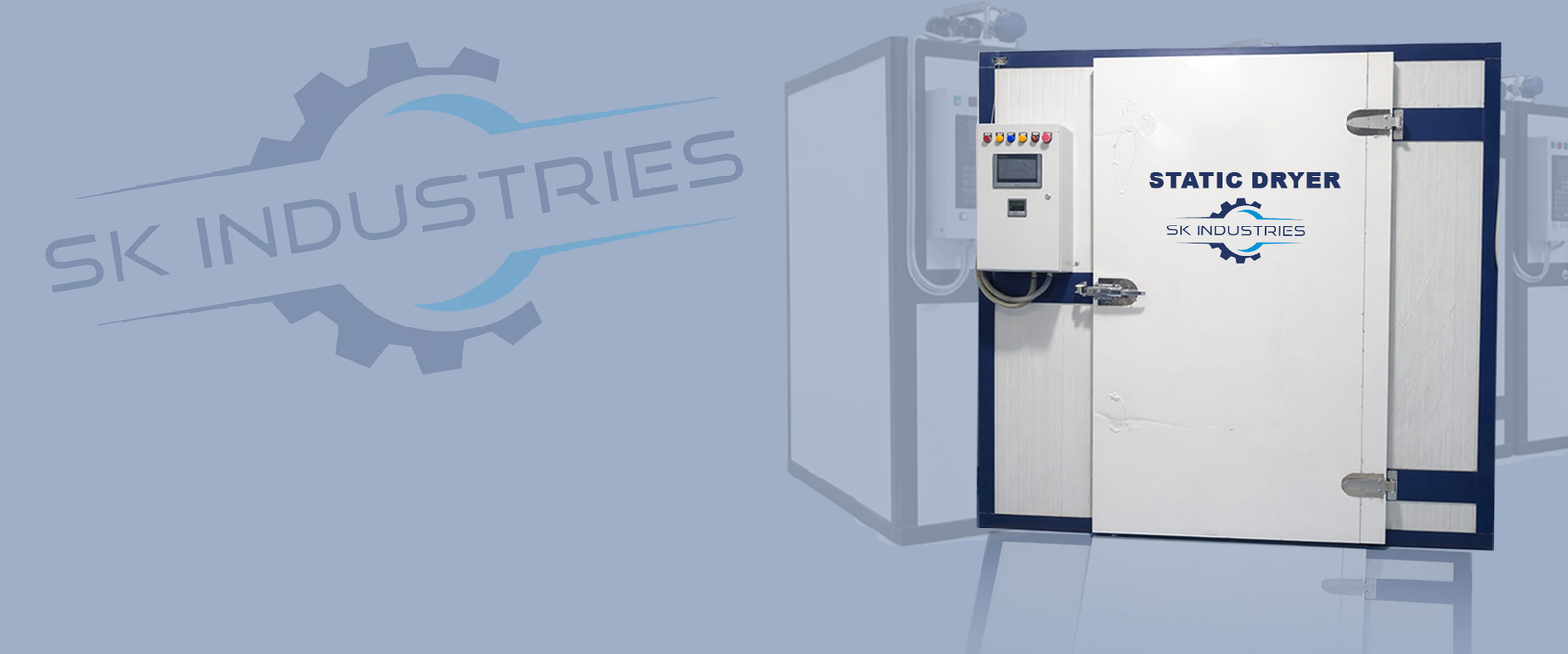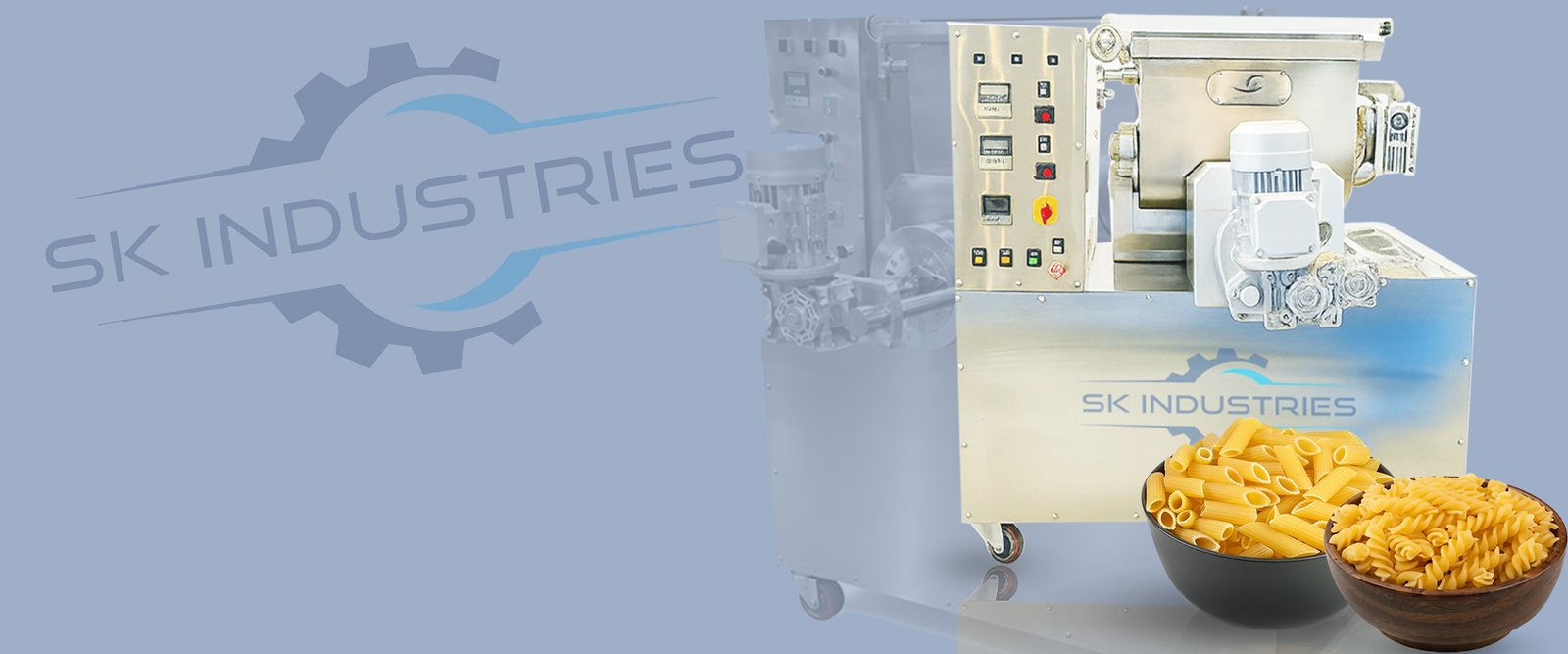
Most guides to pasta making machine manufacturers stop at the purchase. But the day the machine arrives is where your real work begins. A pasta line runs for long hours, and what happens in the first weeks, and in the years after, depends heavily on the support behind it. This guide explains what to expect from a manufacturer after the sale, and how to check it before you pay. If you are still comparing makers, our buyer's guide covers the earlier steps.
Installation and Commissioning
A machine that is installed badly will not give good pasta, however well it is built. Before you order, ask who will install it, how many people will come, and whether the team will stay until a proper first batch is made. Commissioning means more than switching the machine on. It includes checking the motor direction, setting the speeds, fitting the die and cutter, and running test batches until the shape and length are right.
SK Industries states that every pasta making machine it supplies includes installation, commissioning and operator training support. Whoever you choose, ask for the same promise in the written quotation.
Operator Training That Actually Helps
Training is only useful if it covers what your operators will face every day. A good session should include:
- Starting up and shutting down the line safely
- Setting the dough moisture and mixing time
- Changing a die and a cutter blade
- Cleaning every food-contact part after a shift
- Reading the control panel on an automatic pasta machine, or running the manual controls on a semi-automatic pasta machine
Ask that every operator who will run the line attends, not only the owner. Write down the steps in a short notebook during training, since it becomes your first reference later.
Wear Parts and Spare Parts
Some parts wear out by design. Dies and the blades of the pasta cutting machine wear with use, and the screw and barrel of the pasta extruder can wear over a longer time. Belts on conveyors and dryers also need replacement at some point. Worn parts change the look of your pasta before they cause a breakdown, so catching them early protects your quality.
Before you buy, ask for a short list of the parts most likely to need replacement, their prices and how quickly they can be sent to you. Keep one spare set of the most used parts at your unit so a worn blade does not stop production.
Routine Care Keeps the Machine Young
Most problems on a pasta line come from skipped routine care, not from the machine itself. Ask the manufacturer for a one-page maintenance schedule that separates daily, weekly and monthly checks. Daily tasks usually involve cleaning the die, the mixing chamber and the cutter. Longer-interval tasks follow the manual for lubrication and for inspecting belts, such as the mesh belt of the continuous conveyor dryer. Fix a person responsible for each task, so nothing depends on memory.
Documents You Should Receive With the Machine
Ask for a small set of papers along with the machine. These usually include an operating manual, a wiring diagram of the control panel, a list of the motors and drives fitted, and a parts list with names you can quote when you order. If the manufacturer cannot supply even a basic manual, take that as a warning. Without these papers, every future repair depends on someone's memory, and a change of staff can leave you stuck.
Agree How Problems Will Be Handled
Even a well-built machine can have a bad day, so agree in advance what happens when something goes wrong. Ask whom you should call, whether a first step can be taken over the phone or on video, and when an engineer would visit if the problem cannot be solved remotely. Also ask who pays for travel and for parts during the first period after installation.
It helps to keep a simple log of faults. Note the date, what you saw, what you did and whether it worked. When you call the manufacturer, a clear description saves time and often leads to a faster fix.
Use the First Few Weeks Well
The first weeks teach you more than any brochure. Run small batches of each shape you plan to sell, record the settings that give good results, and share any problems with the manufacturer early. Small issues, such as uneven cutting or a die that clogs, are usually easy to correct while the engineer's visit is still fresh. Left alone, they become habits that are harder to change later.
Support Checklist to Put in Writing
| Item | What to ask |
|---|---|
| Installation | Who comes, how long they stay, who bears the travel |
| Training | Topics, number of operators, where it is held |
| Spare parts | List, prices, delivery time |
| Service calls | Whom to contact and how you will reach them |
| Maintenance schedule | Daily, weekly and monthly tasks |
Questions Buyers Ask
What support should a pasta machine manufacturer provide after the sale?
At minimum, installation and commissioning, operator training, a supply of spare parts and a way to reach an engineer when something goes wrong. Ask for each of these in the written quotation.
Which parts of a pasta machine wear out first?
Dies and cutter blades wear with use, and belts on conveyors and dryers can also need replacement over time. Ask how long each part usually lasts with your raw material.
Does SK Industries provide installation and training?
Yes. Every pasta making machine SK Industries supplies includes installation, commissioning and operator training support. Please confirm the details of each step in your quotation.
Judge a Maker by What Happens After the Sale
Among all the pasta making machine manufacturers you compare, the one who answers support questions clearly before you pay is more likely to do so afterwards. SK Industries has made food processing machinery in Noida for over 20 years, with the workshop at A-66, Sector 8. If you would like to discuss support for your line, our team is happy to explain how it works.